Winter in Pakistan is not the same everywhere. A December evening in Islamabad or Murree can be genuinely cold, while Karachi’s winter is mild and Lahore sits somewhere in between, with foggy mornings and chilly nights. Yet many men dress the same way all winter: one heavy jacket over everything, or too many layers that look bulky and feel uncomfortable. Good winter dressing is not about buying expensive clothes. It is about layering smartly, choosing the right fabrics, and picking colours that work together. Here is a practical guide for Pakistani men.
Start With Layering: Three Layers Beat One Heavy Coat
The secret to staying warm without looking like a bundle is layering. The base layer sits against your skin and should be comfortable and breathable — a simple full-sleeve cotton or thermal undershirt works well. The middle layer provides warmth: a sweater, a waistcoat, or a light jacket. The outer layer protects you from wind and cold: a coat, a heavier jacket, or a shawl. Three thin layers trap warm air between them and keep you warmer than one thick coat, and you can remove a layer indoors without feeling awkward. Avoid wearing a heavy sweater directly under a tight jacket; if you cannot move your arms comfortably, the fit is wrong.
Shalwar Kameez in Winter: Warm Without Losing Tradition
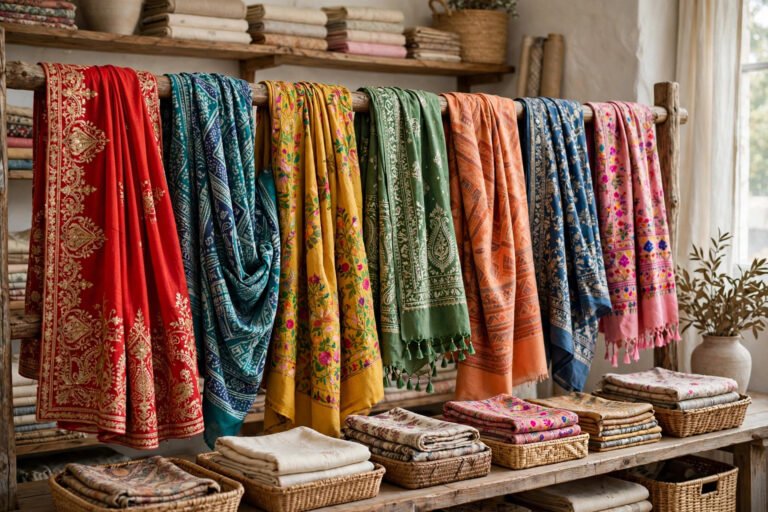
For many Pakistani men, shalwar kameez is daily wear, and it adapts beautifully to winter. Choose heavier fabrics in the cold months: khaddar, wool blends, and thicker cotton instead of summer lawn. A waistcoat over shalwar kameez instantly looks formal and adds real warmth — plain dark waistcoats in navy, charcoal, or brown match almost everything. For extra cold days, a quality shawl is the classic Pakistani answer. A plain pashmina-style shawl in grey, black, or dark brown works for both casual and formal occasions, and it is far more versatile than a novelty printed one. Keep the shawl draped neatly rather than wrapped tightly, and avoid pairing a very busy shawl with a patterned kameez.
Jackets and Coats: Pick One Good One
If you buy one winter outerwear piece, make it count. A well-fitted leather or faux-leather jacket suits casual wear and lasts for years if cared for. A wool-blend overcoat or a structured blazer-style coat is better for office and formal events. For daily use in foggy cities like Lahore, a water-resistant jacket with a hood is practical. Fit matters more than brand: shoulders should sit at your natural shoulder line, sleeves should end at your wrist, and you should be able to close it comfortably over a sweater. Dark, neutral colours — black, navy, charcoal, olive, and camel — are the safest investments because they match most of your wardrobe.
Fabrics That Actually Keep You Warm
Not all warm-looking clothes are warm. Wool, wool blends, and fleece insulate well. Khaddar and thicker cotton are good for Pakistani winters, especially for shalwar kameez. Corduroy trousers and flannel shirts are comfortable casual options. Avoid relying on a single thin synthetic jacket that looks padded but lets wind straight through. When shopping, feel the fabric, check the lining, and try the garment on over what you would normally wear underneath. A cheap jacket that you never wear because it is uncomfortable is more expensive than a good one you wear all winter.
Colours, Shoes, and Small Details
Winter is the season for darker, richer colours: navy, charcoal, dark green, maroon, brown, and black, with lighter shirts or kameez underneath for contrast. One simple rule keeps outfits tidy: pair one darker piece with one lighter piece, and avoid wearing head-to-toe black unless it is a formal event. Shoes matter more in winter, because wet and dusty streets ruin light footwear. Closed shoes — leather shoes, boots, or clean Peshawari chappals in darker leather for milder days — look smarter and protect your feet better than open sandals. Finally, small details finish the look: a clean shave or trimmed beard, a simple watch, and a scarf or muffler in a plain colour on very cold days.
Dressing for Different Pakistani Winters
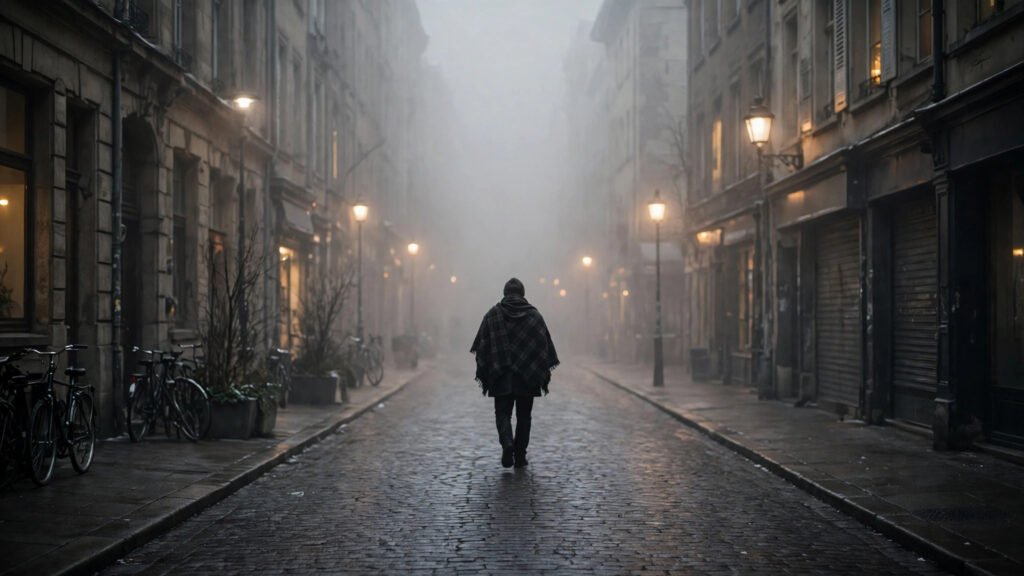
Match your outfit to your city. In Islamabad, Murree, and northern areas, prepare for real cold: thermal base layers, wool sweaters, heavy coats, and closed shoes are essential. In Lahore and central Punjab, fog and damp cold call for layered shalwar kameez or sweater-plus-jacket combinations, plus a shawl for evenings. In Karachi, winters are mild: a light jacket, a half-sleeve sweater, or a shawl over a kurta is usually enough, and heavy coats will only make you sweat indoors. In Quetta and other colder western areas, prioritise warmth over style with proper wool and windproof outer layers. Dressing for your actual weather, not for a catalogue photo, is what keeps you comfortable.
FAQ
How many layers should men wear in Pakistani winters?
Three light layers — base, warm middle, and outer — usually work better than one very heavy coat, and let you adjust indoors.
What is the best winter fabric for shalwar kameez?
Khaddar and wool blends are the most practical winter fabrics for shalwar kameez in Pakistan, with a waistcoat or shawl for extra warmth.
Which jacket colour is most versatile for men?
Navy, charcoal, or black, because they match almost every shirt, kameez, and trouser colour you already own.
Do men in Karachi need heavy winter clothes?
Usually not. Karachi winters are mild, so a light jacket or shawl is enough for most days; heavy coats are unnecessary and uncomfortable indoors.
Conclusion
Winter dressing for men in Pakistan comes down to three habits: layer instead of bulking up, choose warm fabrics like wool and khaddar, and invest in one well-fitted jacket and a good shawl. Dress for your city’s actual winter, keep colours simple and dark, and you will stay warm, comfortable, and smart-looking all season — without spending a fortune.