The dupatta is the most versatile piece in Pakistani women’s fashion. With one change in draping, the same suit can look casual for a bazaar visit, neat for the office, or elegant for a wedding. Yet many women wear their dupatta the same way every day, simply out of habit. This guide explains simple, practical dupatta styles for different occasions, fabrics that suit each setting, and tips to keep your dupatta comfortable all day.
Understanding Dupatta Fabrics First
Fabric decides how a dupatta drapes and how comfortable it feels. Cotton and lawn dupattas are light, breathable and ideal for daily wear and summer. Chiffon dupattas drape softly, look dressy, and suit formal and semi-formal occasions, though they can slip, so a small pin helps. Silk and organza dupattas add shine for weddings and festive events but need careful handling. Khaddar and wool dupattas suit winter, pairing naturally with warm suits and shawls. When buying, check the length and width. A longer dupatta gives more draping options, while a very short one limits styles. For daily wear, choose a medium-length cotton dupatta that stays in place. For weddings, a longer, embellished dupatta creates a more graceful look. Always check that the colour matches or complements your suit, rather than clashing with it.
Everyday Style: Comfortable and Neat
For university, office, shopping or home visits, comfort comes first. Drape the dupatta over both shoulders with the ends falling evenly in front. This classic style keeps your hands free, stays in place, and looks tidy with kurtis and shalwar kameez. For a slightly smarter look, bring one end across to the opposite shoulder and pin it lightly, so the dupatta does not slip while you work. In summer, choose light cotton or lawn dupattas in medium colours that do not show dust easily. In winter, a khaddar dupatta or a light wool shawl over a plain suit keeps you warm without bulk. Keep a few safety pins in your bag: one discreet pin at the shoulder prevents constant adjusting, especially on busy days.
Office and Formal Work Style
For office wear, a neat, minimal dupatta style looks most professional. Drape it evenly over both shoulders, or fold it neatly and place it over one shoulder like a stole, securing it with a small pin. Avoid very sheer, heavily embellished or brightly clashing dupattas at work, unless your workplace is festive. Match your dupatta to your outfit’s mood: a plain dupatta suits a printed suit, while a subtly patterned dupatta lifts a plain suit. If you wear hijab, choose a longer, opaque dupatta or hijab in a breathable fabric, pinned securely so it stays comfortable through a full working day. The goal is a look that feels polished without needing adjustment every few minutes.
Wedding and Festive Style
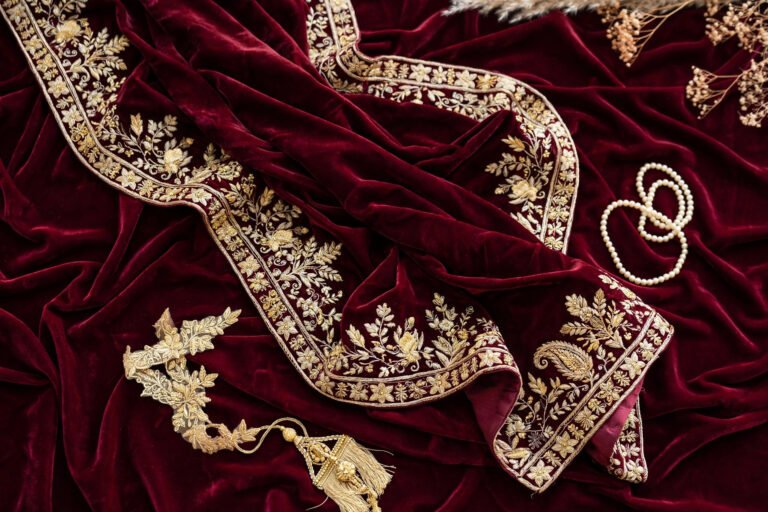
Weddings call for drama and elegance. For mehndi, a brightly coloured dupatta with embroidery or mirror work, draped over one shoulder with the other end falling gracefully behind, creates a festive look. For barat and walima, a heavier embellished dupatta, often in silk or organza, draped over the head and shoulders, gives a traditional bridal feel, even for guests. When wearing an embellished dupatta, keep the rest of your outfit balanced: pair it with a simpler suit if the dupatta is heavily worked, and keep jewellery simple if the dupatta already has a lot of detail. Use two or three small pins to secure a heavy dupatta, so it does not slip during long functions, dancing or photography. Practise the drape at home before the event, so you are not adjusting it all evening.
Dupatta Styles for Different Body Types and Heights
There is no single “correct” dupatta style for every woman. Shorter women often look best with a dupatta draped neatly without excess fabric pooling at the waist, while taller women can carry longer, flowing drapes beautifully. If you prefer a slimmer look, drape the dupatta close to the body with one end over the shoulder. If you prefer more coverage, drape it loosely over both shoulders with the ends in front. The most important rule is comfort: a style that you keep fixing is not the right style for that day. Choose a drape that lets you move, sit, eat and greet people comfortably, and that matches the occasion’s formality. Confidence shows more than any complicated drape.
Caring for Your Dupattas
Good care keeps dupattas beautiful for years. Wash cotton and lawn dupattas in cold water, and hand wash silk, chiffon and embellished dupattas, or dry clean them if the label advises. Dry in shade, since harsh sunlight fades colours, and iron on a low setting, with a cloth over embellished areas. Store dupattas folded neatly, not crumpled in a drawer, and keep heavily embellished ones in separate covers to prevent snagging. Before an important occasion, check your dupatta for loose threads, stains or fading. A quick steam or iron, a small repair, and a matching pin can refresh an old dupatta completely, saving the cost of buying a new one.
Frequently Asked Questions
How do I stop my chiffon dupatta from slipping?
Use one or two small safety pins at the shoulder, choosing pins that match the fabric colour. A slightly textured inner fabric or a light spray of fabric grip also helps, but a pin is the simplest fix.
Which dupatta colour goes with everything?
Black, white, beige and soft pastels are the most versatile, since they complement most suit colours. A black or beige dupatta is a useful wardrobe staple for daily and formal wear alike.
Can I wear a printed dupatta with a printed suit?
It is usually better to pair a printed dupatta with a plain suit, or a plain dupatta with a printed suit. Two strong prints together can look busy, unless the colours clearly match.
How long should a dupatta be?
For daily wear, a medium length that reaches below the waist is practical. For weddings and formal events, a longer dupatta gives more graceful draping options and a more traditional look.
Conclusion
Styling a dupatta is not about following complicated rules, but about matching fabric, drape and occasion. Choose light cotton for daily comfort, neat drapes for work, and embellished, well-pinned styles for weddings. With a few versatile dupattas, a handful of pins and a little practice, one suit can serve many occasions, and you will look polished without spending a fortune. Start with the everyday drape, try one new style for your next event, and build from there.