Introduction
Everywhere in Pakistan, from morning talk shows to WhatsApp groups, someone recommends a drink that promises to melt away weight. Green tea, lemon water, detox juices, and various desi totkay all get shared with great confidence. The honest truth is simpler: no drink on its own causes weight loss. Weight changes when your overall eating, activity, sleep, and daily habits change over time. Drinks can support that effort, mainly by replacing sugary drinks and helping you stay hydrated, but they are helpers, not magic. This guide looks at drinks genuinely useful in Pakistan, how to use them sensibly, and which claims to ignore.
Important note: if you have diabetes, blood pressure problems, stomach issues, kidney disease, thyroid problems, or any other health condition, or you take regular medication, ask your doctor before starting any new drink routine. This article gives general information, not medical advice, and makes no guarantees about weight loss for any individual.
Green Tea: The Most Useful Everyday Option
Green tea, or sabz chai, is Pakistan’s most popular weight-management drink for good reason. It is widely available, inexpensive, and easy to prepare. Plain green tea without sugar has almost no calories, and it contains compounds often discussed in relation to metabolism. The effect, however, is modest. Green tea will not burn away extra weight on its own, but as a replacement for sugary tea or soft drinks, it supports a healthier overall pattern. Brew it properly and drink it plain: adding sugar defeats the purpose, and large amounts of honey still add calories. One to three cups a day is sensible for most healthy adults. Late-night cups can disturb sleep because of caffeine, and poor sleep makes weight management harder, so keep evening cups early or switch to a caffeine-free option. Avoid expensive “slimming teas” promising rapid results: many contain strong laxatives or diuretics that cause water loss, not fat loss, and can upset your stomach. A tea promising kilos lost in a week is a warning sign, not a selling point.
Lemon Water: Simple and Honest
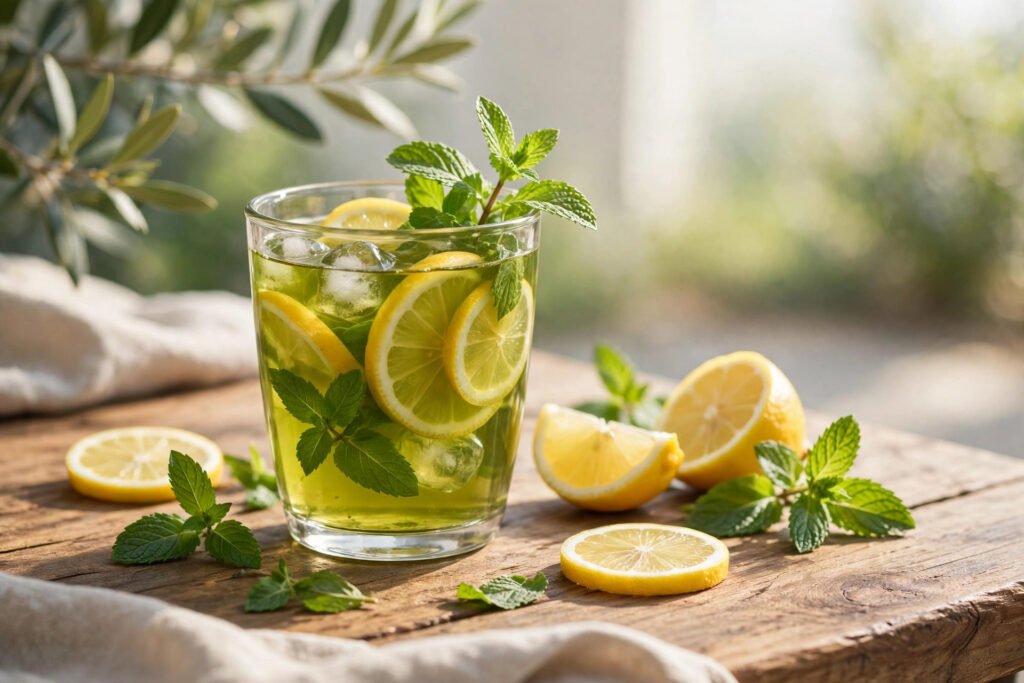
Warm lemon water in the morning is one of the most shared desi health tips. While it is not a fat-burning miracle, it is a genuinely sensible habit. A glass of water with fresh lemon juice hydrates you after the night, gives a little vitamin C, and provides a refreshing, calorie-free start to the day. For people who dislike plain water, lemon makes drinking enough water much easier. Claims that lemon water “melts fat” or “detoxes” the body are exaggerated: your liver and kidneys handle detoxification naturally, and no drink speeds that process as advertisements suggest. What lemon water does is replace a sugary morning drink and help you start hydrated, which are real, if modest, benefits. Prepare it simply: squeeze half a lemon into warm or room-temperature water, without sugar. If you drink it daily, use a straw and rinse your mouth afterwards, because lemon acid can affect tooth enamel over time. People with acidity or stomach ulcers should be cautious on an empty stomach and stop if it causes discomfort.
Desi Options: Kahwa, Herbal Teas, and Infused Water
Pakistan has a rich tradition of herbal and spiced drinks that fit a healthy routine. Kashmiri pink tea and doodh patti are delicious, but usually made with milk, sugar, and salt or fat, so they are not weight-loss drinks in their usual sweetened form. Their lighter cousins are more useful. Green kahwa, made with green tea, cardamom, and sometimes saffron or almonds, is fragrant and low-calorie when served without sugar. Mint tea is refreshing and caffeine-free, ginger tea feels soothing after a heavy meal, and warm water with cinnamon is a pleasant evening drink. None burn fat directly, but they are warm, satisfying, and calorie-free when unsweetened, which helps you avoid sugary snacks. Infused water is another easy option, especially in summer: add cucumber, mint, or orange slices to a jug of water and keep it in the fridge. It tastes fresh and encourages you to drink more water. A plain, unsweetened lassi made with low-fat yoghurt can be filling and provides protein and calcium. A sweet, full-cream lassi with sugar and malai is a dessert, not a weight-loss drink.
Drinks to Limit, and a Realistic Routine
The drinks to reduce matter more than the drinks to add. Full-sugar soft drinks, packaged juices, sweetened milkshakes, and energy drinks are high in calories and low in nutrition, and they do not fill you up, so you can drink a meal’s worth of calories and still feel hungry. Sweetened chai is a special case in Pakistan, because it is social as much as nutritional. You do not need to give it up entirely: reducing sugar gradually, from two spoons to one and then to half, or switching one cup a day to plain green tea, is a sustainable change, while cutting sugar suddenly often fails. Be careful with detox or slimming products: juices replacing meals for days, teas with hidden laxatives, and powders promising rapid loss can harm health and lead to quick regain once you stop.
Frequently Asked Questions
Does green tea alone help you lose weight?
No, not meaningfully. It can support weight management when it replaces sugary drinks as part of a healthier diet and active lifestyle, but it is not a treatment on its own.
Is lemon water good for weight loss in the morning?
It is a healthy, low-calorie morning drink that helps hydration and can replace a sugary drink. It does not melt fat or detox the body as often claimed, but it is a sensible habit without sugar.
Are detox juices and slimming teas safe?
Many are not. Some contain laxatives or diuretics causing water loss and stomach problems rather than fat loss. Avoid products promising rapid results, and be cautious with any drink replacing meals for days.
What is the simplest drink change for weight management?
Replace one sugary drink a day with water or plain unsweetened tea. It is the easiest, cheapest, and most sustainable change, and often saves more calories than adding any special drink.
Conclusion
The best weight loss drinks in Pakistan are not exotic or expensive. They are simple, unsweetened options found in any kitchen: plain green tea, lemon water, light kahwa, herbal infusions, and, above all, water itself. Their value lies in replacing sugary drinks, keeping you hydrated, and supporting routines you can maintain for months. Remember that drinks alone do not cause weight loss, and anyone with a health condition should ask a doctor before starting a new routine. Pair sensible drink choices with balanced food, regular walking, and good sleep, and you will have a plan that is honest, affordable, and built to last.