Pakistani women’s fashion is famous for its colour, embroidery and variety — but looking stylish every day is not about owning a wardrobe full of expensive designer suits. It is about choosing the right fabrics for our climate, fits that suit your routine, and a few versatile pieces you can mix and match. This guide covers everyday Pakistani women’s fashion: what to wear in each season, how to style classic pieces, and how to shop smartly in Pakistan.
The Everyday Staples Every Wardrobe Needs
The Kurti
The kurti is the workhorse of Pakistani women’s fashion. A well-fitting knee-length kurti in a solid colour or small print pairs with straight trousers, cigarette pants or a shalwar, and works for university, office or daily errands. Keep two or three in neutral colours — white, black, beige or navy — and add brighter ones for variety. A-line kurtis flatter most body types, while straight-cut kurtis suit taller frames.
Lawn Suits for Summer
Lawn is Pakistan’s summer essential: light, breathable cotton that handles May-to-August heat far better than synthetic fabrics. A printed two-piece or three-piece lawn suit is the default summer outfit across the country, from Karachi to Islamabad. For daily wear, choose smaller prints and medium colours that do not show dust easily. For formal occasions, embroidered lawn or lawn with chiffon dupattas offers a dressier look without the heat of heavier fabrics.
Khaddar and Linen for Winter
When winter arrives, khaddar — a warm, textured cotton — becomes the everyday favourite, especially in Punjab and northern areas. Linen is another good winter option: slightly more formal and durable. Pair khaddar kurtis with wool shawls for a classic winter look that is both warm and elegant.
The Dupatta and Shawl
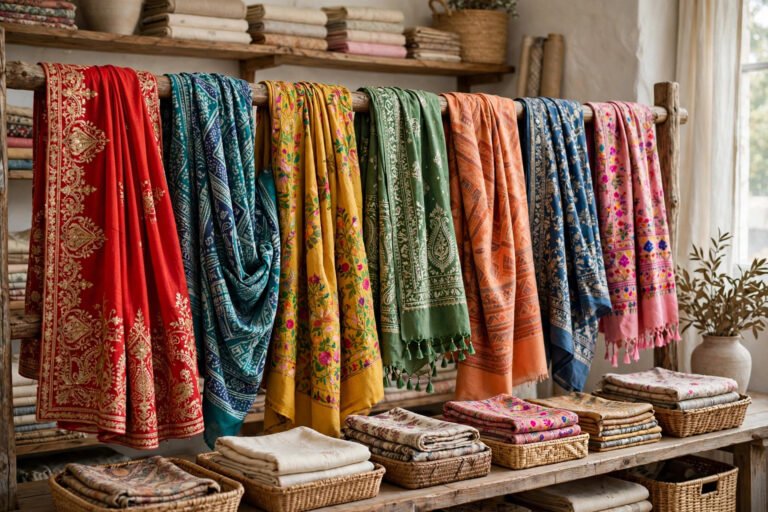
A dupatta completes most traditional outfits and adds colour to a plain suit. Chiffon dupattas feel light and dressy, while cotton dupattas are practical for daily wear. In winter, a woollen or pashmina-style shawl over a plain suit instantly makes the outfit look polished — one good shawl can upgrade many outfits.
Dressing for the Seasons
- Summer (May–August): Light lawn, cotton and chiffon. Loose fits, light colours, open sandals or khussay, and minimal layers. Avoid heavy embroidery and dark synthetics in peak heat.
- Monsoon: Quick-dry fabrics, darker colours that hide splashes, and shorter hemlines or trousers you can manage in wet streets.
- Winter (December–February): Khaddar, linen, wool and velvet for formal events. Layer a shawl or long coat over your suit. In colder cities like Murree or Quetta, thermal innerwear under a khaddar suit is a practical trick.
- Spring and autumn: Cotton, cambric and light linen. This is the best season for pastels and floral prints, and for experimenting with new cuts before the summer lawn collections arrive.
Hijab-Friendly Styling Ideas
Many Pakistani women wear hijab and still want fashionable outfits. Long, loose kurtis and abaya-style cuts pair naturally with hijabs. Choose hijabs in breathable cotton or chiffon in summer and jersey or wool blends in winter. Matching your hijab to your dupatta or shoes, rather than exactly to your suit, creates a coordinated look. Longline shirts with straight trousers, maxi-style frocks and layered open-front abayas over a simple inner suit are all stylish, modest options widely available in Pakistani markets and online stores.
Formal and Festive Fashion
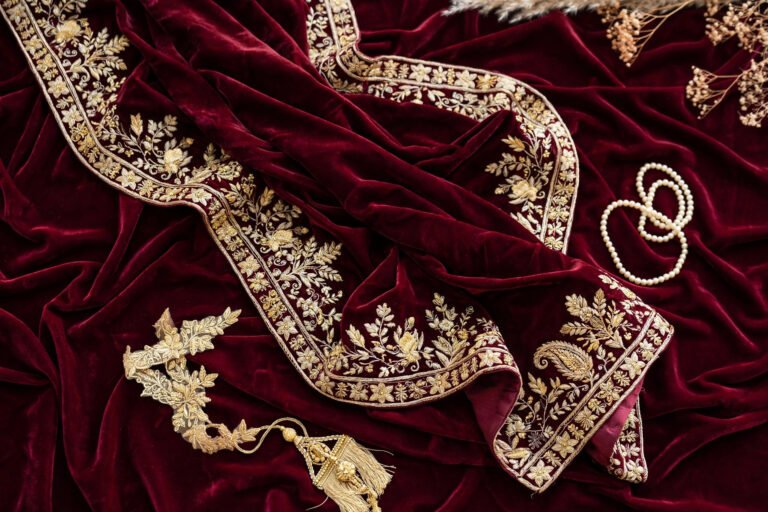
For weddings, Eid and family functions, Pakistani fashion truly shines. Embroidered chiffon and silk suits, lehengas, ghararas and formal frocks dominate festive wardrobes. A few tips: invest in one or two high-quality formal suits rather than many average ones — good embroidery and fabric show. Choose colours that suit your skin tone rather than blindly following trends. And remember that a formal suit can often be restyled: wear the embroidered shirt with plain trousers for a semi-formal look, or the dupatta with a simpler suit.
Smart Shopping Tips in Pakistan
- Set a budget before you shop. Decide how many suits you actually need for the season and stick to it.
- Check fabric before buying. Hold lawn up to the light — very thin fabric will wear out quickly. Rub the fabric gently to check for colour transfer.
- Buy unstitched for the best fit. Unstitched suits let your tailor adjust the fit exactly, and are often better value than ready-made. Find a reliable tailor and keep your measurements saved on your phone.
- Shop sales wisely. End-of-season sales at big lawn brands offer genuine discounts, but buy classic colours and prints you will wear next year too, not just trendy pieces.
- Online shopping safety: Order from official brand websites or well-known stores, check the return and exchange policy before paying, and prefer cash on delivery or trusted payment methods for unfamiliar sellers. Read reviews and check size charts — sizes vary between brands.
- Care for your clothes. Wash lawn in cold water, avoid harsh sunlight when drying dark colours, and store embroidered suits carefully to protect the work. Good care makes even budget suits last much longer.
Building a Capsule Wardrobe
If your cupboard feels full but you still feel you have “nothing to wear”, try a capsule approach: pick 10–12 pieces that all work together — a few solid kurtis, two printed suits, one formal outfit, neutral trousers, a shawl and a couple of dupattas. These create dozens of combinations. Add one or two trend pieces each season rather than replacing everything.
Frequently Asked Questions
What fabric is best for Pakistani summer?
Lawn and light cotton are the best choices for summer in Pakistan — they are breathable, absorb sweat and are widely available at every price level. Chiffon works well for dupattas and formal summer wear.
How many suits does a woman need for a season?
For daily wear, five to seven well-chosen suits are usually enough if you wash regularly and mix dupattas and trousers. Add one or two formal outfits for events.
Is unstitched or ready-made better in Pakistan?
Unstitched gives a better, customised fit and is often better value, but needs a good tailor and time. Ready-made is convenient for urgent needs. Many women use both: unstitched for everyday suits, ready-made for formal or branded pieces.
How can I look stylish on a small budget?
Focus on fit and fabric over brand names, choose versatile solid colours, accessorise with one good pair of shoes and a quality handbag, and shop end-of-season sales for classic pieces. A well-fitted simple suit always looks better than an ill-fitting expensive one.
Conclusion
Pakistani women’s fashion is at its best when it fits your life: comfortable lawn in summer, warm khaddar in winter, a few well-fitted kurtis for every day, and one or two beautiful formal suits for celebrations. Shop with a plan, care for what you own, and build a wardrobe around pieces you love wearing — not just trends. Style, after all, is not about how much you spend. It is about how confidently you wear what you have.