Good skin comes from small, consistent habits: gentle cleansing, sun protection, enough water, good sleep, and ingredients that suit your skin. Pakistani women deal with a particular mix of challenges — strong summer sun, dust and pollution in big cities, hard water in many areas, humidity in Karachi and dry winters in Lahore, Islamabad and the north — so a routine copied from another climate often fails here.
These ten natural tips use ingredients you can find easily in Pakistan, from any karyana or sabzi shop. They are gentle, low-cost and easy to fit into a busy day. They are not medical treatment: for persistent acne or hair loss, see a dermatologist.
1. Cleanse Gently, Twice a Day
Washing your face too often, or with harsh soap, strips natural oils and makes skin produce even more oil to compensate. Wash morning and evening with lukewarm water and a mild cleanser suited to your skin type. In summer, a light gel cleanser suits oily skin; in winter, a creamy cleanser suits dry skin. Pat dry with a soft towel instead of rubbing. If you wear makeup, remove it fully before bed — sleeping in makeup is one of the fastest ways to clog pores and dull your skin.
2. Never Skip Sunscreen in Pakistani Sun
The Pakistani sun is strong for most of the year, even on cloudy days and in winter. Daily sunscreen is the single most effective anti-ageing and anti-pigmentation step. Use a broad-spectrum sunscreen on your face, neck and hands every morning, and reapply if you are outdoors for hours. Many women skip sunscreen because it feels greasy; look for a light, non-greasy formula made for your skin type, and use a small amount of powder over it if needed. Sunscreen also helps prevent the dark patches and uneven tone that sun exposure worsens.
3. Multani Mitti for Oily Skin, Once a Week
Multani mitti, or Fuller’s earth, has been used in South Asia for generations because it absorbs excess oil and deep-cleans pores. Mix one tablespoon with rose water (arq-e-gulab) into a smooth paste, apply a thin layer, leave it for 10 to 15 minutes, and rinse with cool water. Use it once a week if your skin is oily or combination. If your skin is dry or sensitive, skip multani mitti or mix it with a little honey or milk instead, and never let a mask dry until it cracks and pulls at your skin.
4. Honey and Yoghurt for a Natural Glow
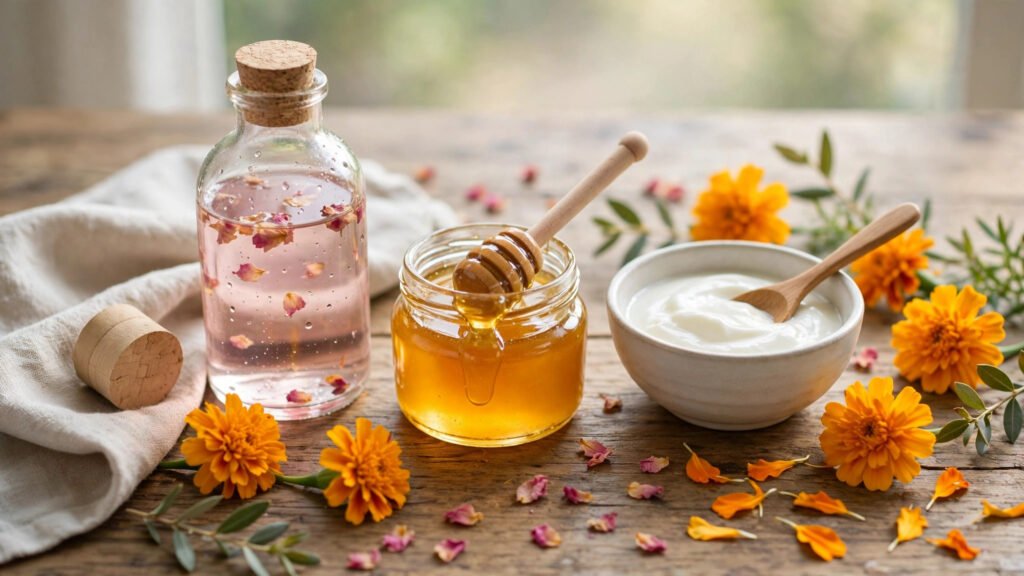
For dull, tired skin, a simple honey and yoghurt mask works well. Mix one tablespoon of plain yoghurt with one teaspoon of honey, apply for 15 minutes, then rinse. Yoghurt gently exfoliates and hydrates, while honey draws moisture into the skin. Use it once or twice a week, and always patch-test a new ingredient on your jawline first. If you notice redness or itching, wash it off and do not repeat it. Natural does not automatically mean safe for every skin type.
5. Rose Water as a Toner
Rose water is a gentle, affordable toner for most skin types. After cleansing, dab it on with clean hands or a cotton pad to refresh the skin and remove any last traces of cleanser. It also works well to dampen skin before applying moisturiser, which helps the moisturiser absorb better.
6. Oil Your Hair, But Do It Right
Weekly oiling is a desi tradition for a reason: it reduces dryness and breakage, especially for long hair exposed to sun, dust and frequent washing. Warm a little coconut, mustard or almond oil — sarson ka tel is traditional, but use it lightly if your scalp is oily — massage it into the scalp for a few minutes, leave it for one to two hours, then wash with a mild shampoo. Do not leave oil on for days, do not scrub the scalp with nails, and do not use very hot water, which dries both hair and scalp.
7. Protect Hair from Heat and Hard Water
Daily straightening, curling and blow-drying on high heat damages hair faster than almost anything else. Let hair air-dry when you can, use the lowest effective heat setting, and keep heat styling for special occasions. In areas with hard water, hair can feel rough and dull; a final rinse with plain cool water, and a weekly deep-conditioning mask, helps.
8. Eat and Drink for Your Skin
Skin reflects what you eat and drink. Drink water through the day rather than trying to make up for it at night, and eat seasonal fruit, vegetables, daal, yoghurt and nuts regularly. Vitamin C from amla, oranges, guava and lemons supports healthy skin, while very oily, sugary food and constant fizzy drinks often make breakouts worse.
9. Sleep, Stress and Your Face
Poor sleep shows on your face quickly: dark circles, puffiness and dull skin. Aim for seven to eight hours, change your pillowcase regularly, and try to sleep on a clean cotton cover. Stress also triggers breakouts and hair fall for many women. A short daily walk or prayer that calms you is part of skincare. If hair fall or acne suddenly worsens during a stressful period, focus on sleep, food and gentle care first, before buying stronger products.
10. Keep Your Routine Simple and Consistent
The biggest beauty mistake is changing products every week. Skin needs three to four weeks to show whether something is working. Build a simple routine — cleanser, moisturiser, sunscreen in the morning; cleanser and moisturiser at night — and add one treatment, such as a weekly mask, at a time. If a product stings, burns or causes new breakouts, stop it. A short routine you follow beats a long one you abandon.
Frequently Asked Questions
How can I get glowing skin naturally at home in Pakistan?
Follow the basics consistently: gentle cleansing, daily sunscreen, a weekly mask suited to your skin type, enough water and sleep, and a balanced diet. Glow comes from consistency over weeks, not from one expensive product.
Is multani mitti good for all skin types?
No. It suits oily and combination skin best. Dry or sensitive skin should use it rarely, mixed with honey or milk, or skip it in favour of a hydrating mask.
How often should I oil my hair?
Once a week is enough for most women. More frequent oiling does not make hair grow faster, and leaving oil on for days can clog the scalp and attract dust.
Do home remedies replace a dermatologist?
No. Home remedies support healthy skin, but persistent acne, hair loss, pigmentation or rashes need professional advice, especially before using strong treatments or medicines.
Conclusion
Natural beauty care in Pakistan does not need a cupboard full of products. Gentle cleansing, sunscreen, a weekly mask, regular hair oiling, good food, water and sleep will do more than constant product changes ever will. Pick two or three tips from this list, follow them for a month, and judge by your own skin — not by an advertisement. That patience, more than any single remedy, is the real desi beauty secret.