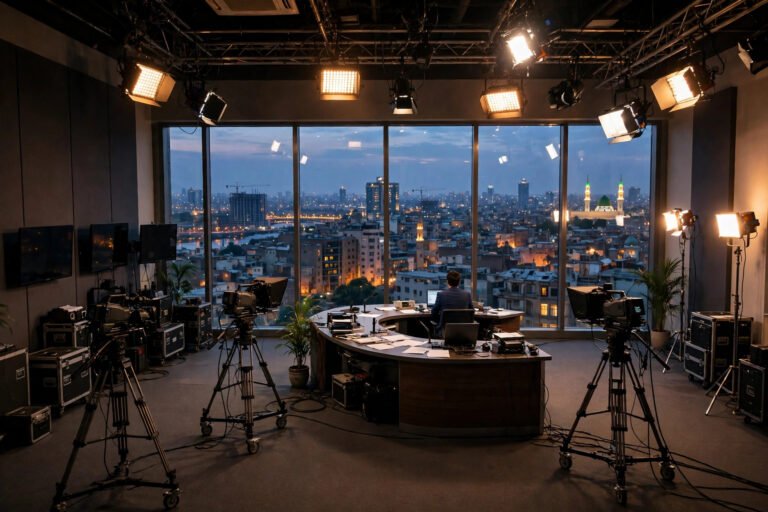
Pakistani dramas have a loyal audience at home and abroad, and many viewers wonder what actually happens before an episode reaches their television or phone screen. A drama is not made in a single day, nor by a single person. It passes through many hands, from the writer who first imagines the story to the editor who shapes the final episode. This guide walks you through each stage, so the next time you watch your favourite serial, you will notice the craft behind the camera as well as the acting in front of it.
It All Begins With the Script
Every drama starts as an idea. A writer develops the central story, the main characters, and the conflict that will carry the serial across many episodes. Pakistani dramas are usually known for strong writing, family themes, and emotional storytelling, so the script receives a great deal of attention before anything is filmed. The writer prepares a detailed outline of the whole story, then writes the dialogues episode by episode.
Scripts are often revised several times. Producers and directors suggest changes, such as tightening a slow scene or making a character more believable, so viewers stay interested week after week. A good script also gives actors natural dialogue rather than lines that sound stiff or forced. Once approved, it becomes the roadmap for the entire production.
Casting the Right Actors
Once the story is ready, the production team selects the cast. Casting is far more than choosing famous faces. The director looks for actors whose age, personality, and screen presence suit each character. A serious father figure, a young student, or a sharp-tongued mother-in-law each needs a different kind of performer, and the wrong choice can weaken even a well-written story.
Auditions and screen tests are common, especially for new faces, while established actors may be approached directly. Chemistry between the lead actors also matters, since audiences must believe in their relationships on screen. Many dramas mix experienced senior artists with younger talent, giving newcomers a chance to learn while keeping the cast familiar for viewers.
Planning the Shoot: Locations, Sets and Schedules
Before filming begins, the team plans where and when each scene will be shot. Some scenes are filmed in real homes, offices, streets, or markets, while others are built on sets inside a studio. Location managers visit possible sites, check the lighting and sound conditions, and arrange permissions where needed. These choices help the story feel real.
A shooting schedule is then prepared, grouping scenes by location rather than by episode order. This saves time and money, because the team can film all scenes at one house on the same day, even if they appear in different episodes. Costumes, makeup, and props are arranged in advance, so each character looks consistent throughout. Careful planning prevents delays later.
Filming: Long Days on Set
Filming is the most visible part of the process, but it is also the most demanding. A typical shooting day starts early and can run for many hours. The director guides the actors, explains the mood of each scene, and decides how the camera should move. Scenes are usually filmed more than once, from different angles, so the editor has enough material to work with.
Sound and lighting teams work alongside the camera crew. Microphones must capture clear dialogue, while lights create the right atmosphere for each scene. Between takes, makeup artists touch up the actors, and the continuity team checks small details, so nothing changes suddenly between shots. A single episode may take several days to film.
Editing, Music and the Final Episode
After filming, the raw footage goes to the editor, who selects the best takes and joins them into a complete episode. Editing controls the rhythm of the drama: a slow emotional scene may linger, while a dramatic confrontation may cut quickly between faces. Background music and the title song are added at this stage, and both play a large role in how viewers feel about a scene. A familiar title track can become closely linked with a drama in the audience’s mind.
Colour correction and sound mixing polish the episode further. The director and producer review the finished episode and may ask for small changes before it is approved. Only then is it ready for broadcast or streaming, often with a short teaser to build excitement.
Why Pakistani Dramas Feel Different
Pakistani dramas are often praised for their focus on story and performance rather than spectacle. Episodes usually run for a limited number of weeks, which allows the story to develop properly and end at the right time. Family relationships, social issues, and everyday struggles appear frequently, and many viewers see their own lives reflected on screen. This emotional honesty is one reason the dramas travel well beyond Pakistan, finding audiences in many other countries.
The industry also relies heavily on strong characters and ensemble casts, so a drama rarely depends on one star alone. Writers, directors, and actors work within tight schedules, yet consistently produce serials that spark discussion in homes and on social media.
Practical Tips for Aspiring Drama Makers
- Study scripts and episodes closely, noticing how scenes open, build tension, and end.
- Practise writing short scenes with natural, everyday dialogue before attempting a full serial.
- Build a small portfolio, whether in acting, writing, direction, or editing, and keep improving it steadily.
- Learn the basics of camera work, sound, and editing, since modern productions value multi-skilled team members.
- Be patient and professional on set, as reputation and reliability matter greatly in a close-knit industry.
- Follow established writers and directors to understand current trends without copying their work.
Frequently Asked Questions
How long does it take to make a Pakistani drama?
It varies with the serial’s length and schedule. Writing may take weeks or months, filming often stretches over several months, and editing runs alongside or after the shoot, so a full serial is usually a long-term project.
Who decides the story of a drama?
The writer creates the story, but the producer and director also shape it through feedback and revisions. Final decisions usually involve the whole core team rather than one person alone.
Are Pakistani dramas filmed in episode order?
Usually not. Scenes are grouped by location and actor availability, so the team may film a scene from a later episode before an earlier one. Editing puts everything back into story order.
How can a newcomer enter the drama industry?
Build skills and a small body of work, attend auditions or apply for assistant roles, and network respectfully with professionals. Persistence matters more than instant fame.
Conclusion
A Pakistani drama is the result of patient teamwork at every stage: thoughtful writing, careful casting, organised shooting, and skilled editing. Each department contributes something the audience may never notice, yet would certainly miss if it were absent. The next time an episode ends on a cliffhanger, remember the writers, actors, camera crew, sound engineers, and editors who brought that story to your screen. Their combined craft turns a simple idea into a drama that stays with viewers long after the final episode.