Every year, thousands of Pakistanis dream of performing Hajj, yet many put off planning because the cost feels out of reach. The truth is that Hajj is rarely paid for in one go. For most families, it is the result of years of steady, disciplined saving.
Start With a Realistic Target
The first step is to know roughly how much you need. Hajj costs from Pakistan change every year with the exchange rate, airfares, and the official package announced by the government. Instead of guessing, look up the most recent government Hajj package cost and add a sensible margin for personal spending, gifts, and emergencies during the journey.
Once you have a target figure, divide it by the number of months until you hope to travel. That gives you a monthly savings target. If the number looks too high, do not abandon the plan. Extend your timeline by a year or two. A smaller monthly amount saved consistently will always beat a large target that you never start.
Open a Separate Hajj Account
The single most effective habit in saving for Hajj is separation. Open a separate bank account or a dedicated savings wallet that is used only for your Hajj fund. When Hajj money sits in your everyday account, it quietly disappears into groceries, bills, and unexpected expenses.
Set up an automatic transfer on the day your salary or income arrives, so the Hajj amount leaves your main account before you have a chance to spend it. Even a modest automatic transfer builds up surprisingly fast. Treat this transfer as a fixed bill, just like rent or electricity, rather than something you do only when money is left over.
Build Your Monthly Budget Around the Goal
A savings plan only works if your monthly budget supports it. Sit down with your household expenses and look for money that is leaking away without adding real value. Daily takeaway tea, unused subscriptions, and frequent eating out are the usual places where a few thousand rupees a month can be recovered. Write your monthly budget on paper, give every rupee a job, and review it at the end of each month.
Choose Safe Places to Grow Your Fund
Keeping a large Hajj fund in cash at home is risky, and keeping it in an ordinary current account earns nothing while inflation quietly reduces its value. Consider options that keep your money safe and growing, while remaining accessible when the time comes.
A profit-bearing savings account with a reputable bank is the simplest choice. Islamic banks offer Shariah-compliant savings accounts and term deposits that many savers prefer for a Hajj fund. A term deposit can earn a better return, but only lock away money you will not need before the deposit matures. Keep at least part of your fund in an account you can reach quickly for emergencies.
Some savers also use gold as a long-term store of value, buying small amounts regularly. Gold prices rise and fall, so it should be only one part of a plan, never the whole fund. Whatever you choose, avoid schemes that promise unusually high returns. If a return looks too good to be true, it almost certainly is.
Use a Step-by-Step Timeline
A plan without a timeline is only a wish. Break your Hajj goal into stages so you can see progress and stay motivated.
In the first year, focus on building the habit: set up the separate account, automate the monthly transfer, and reach a small milestone, such as saving your first hundred thousand rupees. In the middle years, increase your monthly amount whenever your income rises, and review your target against the latest Hajj package costs. In the final year, keep the money accessible, and start preparing documents, vaccinations, and travel arrangements.
Save as a Family
Hajj is often a family dream, and saving together makes it easier. Talk openly with your spouse and children about the goal. When children understand that the family is saving for Hajj, they often become enthusiastic contributors, setting aside part of their pocket money or Eidi. If several family members plan to travel together, agree on who is saving for whom and by when.
Prepare for the Costs People Forget
Many savers reach their package cost and then discover extra expenses. Budget for these from the start so they do not catch you out.
Set aside money for your passport and its renewal, vaccinations, travel insurance, and the personal items you will need for the journey. You will also want spending money for food, transport, and gifts during the trip. A good rule is to add a contingency of around ten percent on top of the package cost.
Consider the Government and Private Schemes
Pakistan’s official Hajj scheme and registered private Hajj operators both have their own application timelines, instalment schedules, and requirements. Once you have saved a reasonable part of your target, study both routes carefully. Whichever route you choose, apply only through authorised channels and keep every receipt and document. Never hand money to an agent who cannot show proper registration.
Stay Consistent When Motivation Fades
Every long savings plan has flat months. Income drops, expenses rise, and the goal feels far away. This is normal, and it is the moment when most plans fail.
When motivation fades, reduce your monthly amount rather than stopping altogether. Saving even a small amount keeps the habit alive and protects your progress. Review your goal at least twice a year, remind yourself why you started, and remember that every rupee in the fund is a step closer to the journey.
Frequently Asked Questions
How much should I save each month for Hajj?
It depends on your target cost and your timeline. Divide the total expected cost by the number of months until you plan to travel. If the monthly figure is too high, extend the timeline or start with a smaller amount and increase it as your income grows.
Is it better to save in a bank or buy gold for Hajj?
A bank savings account keeps your money safe, accessible, and earning a modest return. Gold can hold value over long periods but its price fluctuates. Many savers use a bank account as the main fund and gold only as a small additional part.
Can I save for Hajj if my income is low?
Yes. A longer timeline and a smaller monthly amount still lead to the same destination. What matters most is starting, staying consistent, and protecting the fund from everyday spending.
Conclusion
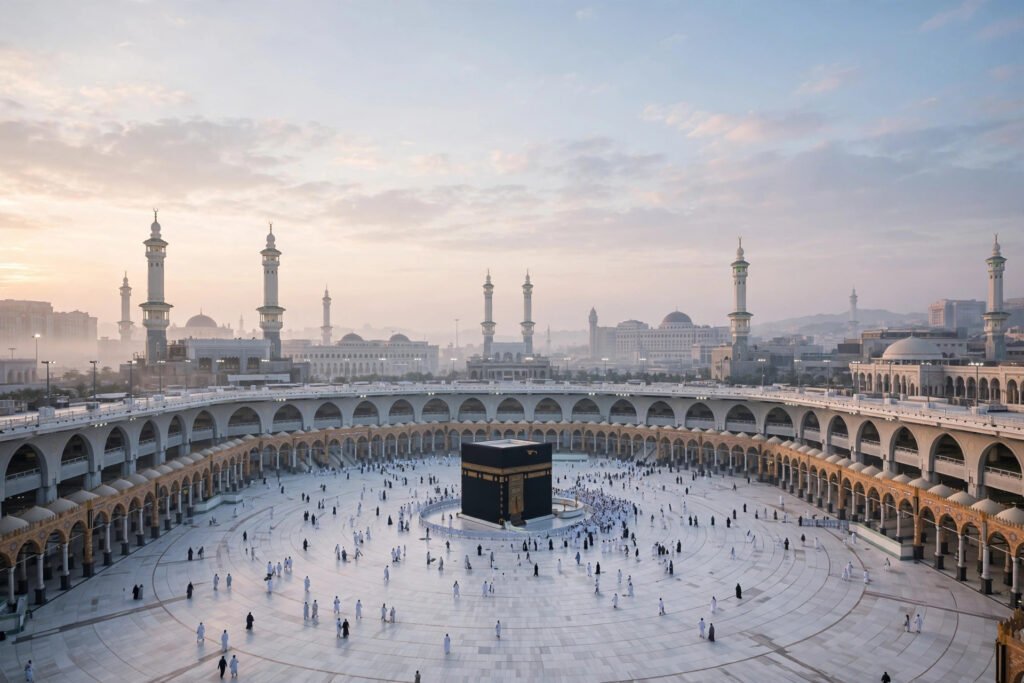
Saving for Hajj in Pakistan is not about having a large income. It is about having a clear target, a separate account, a monthly habit, and the discipline to protect the fund until the journey begins. Start with whatever amount you can manage this month, automate it, and let time do the heavy work. Years from now, when you stand in Makkah, you will be glad you started today.