Choosing the right hijab is about far more than picking a pretty colour. The fabric, the size, the draping style, and the occasion all shape how comfortable you feel and how polished you look. In Pakistan, where summers are long and hot and occasions range from university lectures to weddings, one style does not fit every day.
Start With Your Face Shape
A hijab frames your face, so the way you drape it changes how your features look. There is no single right way, but a few guidelines help most women find a flattering fit.
If your face is round, a style with a little height at the crown and a longer drape at the sides can create a balanced look. Avoid wrapping the fabric too tightly around your cheeks. If your face is oval, most styles suit you, so you can experiment freely. For a longer face, a style that adds a little width at the sides usually looks best. For a square face, soft folds and a gentle drape around the jawline soften the angles.
Choose the Right Fabric for the Season
Fabric is the most important practical choice, especially in Pakistan’s climate. The wrong fabric in summer will leave you hot and uncomfortable, while a thin fabric in winter will not keep you warm.
Summer Fabrics
For hot weather, choose light, breathable fabrics. Chiffon is a popular favourite because it drapes beautifully and feels light, though it can be slippery, so an undercap helps keep it in place. Cotton and lawn hijabs are excellent for daily wear in summer, because they absorb moisture and stay comfortable through a long day. Georgette is another good option: light, slightly textured, and easy to style.
Winter Fabrics
In winter, switch to warmer, heavier fabrics. Pashmina and wool-blend hijabs provide warmth without bulk, and they pair beautifully with shawls and coats. Velvet hijabs look rich and elegant for winter evenings and formal events. Jersey fabric is a good all-rounder for cooler months, because it is warm, stretchy, and stays in place without many pins.
Fabrics to Avoid for Daily Wear
Silk looks luxurious, but it slips constantly and needs careful pinning, so it is better kept for special occasions. Very heavy embroidered fabrics look beautiful at weddings but are tiring for a full day at work or university. Keep the fancy fabrics for events and choose easy, breathable ones for everyday life.
Pick Colours That Suit You
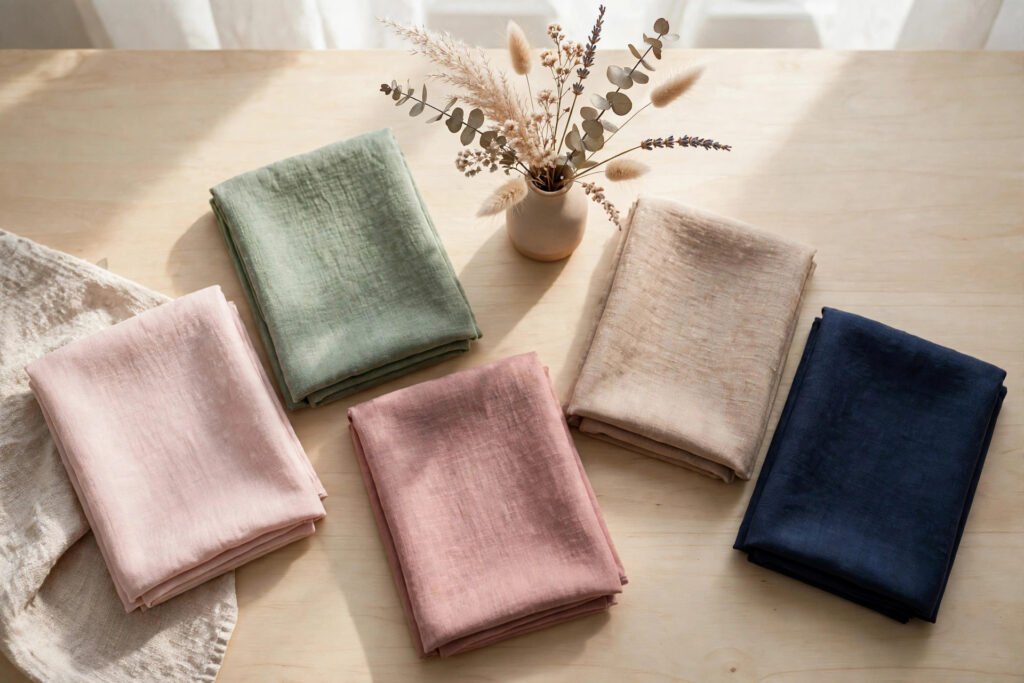
Colour can lift your whole outfit, and the right shades make your skin glow. Start by noticing whether your skin has warm or cool undertones. If gold jewellery suits you better than silver, you likely have warm undertones, and colours like olive, mustard, rust, chocolate, and warm beige will flatter you. If silver suits you better, you likely have cool undertones, and colours like navy, emerald, burgundy, grey, and soft pink will look lovely.
Neutrals are the backbone of any hijab collection. Black, white, beige, grey, and navy go with almost everything and are worth investing in first. Once you have the neutrals, add a few colours you love and that suit your wardrobe. Printed hijabs are wonderful for adding interest to a plain outfit, but keep the print small and the colours soft if you want a look that works for many occasions.
In Pakistan’s bright sunlight, very pale colours can wash you out in photographs, while deep, rich colours usually photograph beautifully.
Match the Style to the Occasion
Different occasions call for different hijab styles, and a small change in draping can transform the same hijab from casual to formal.
Daily Wear and University
For daily wear, comfort and speed matter most. A simple wrap style with a jersey or cotton hijab, secured with one pin and an undercap, stays in place all day and takes only a minute to put on.
Work and Office
For the office, choose neat, structured styles in solid colours or subtle prints. A turban-style wrap with a longer drape at the back looks smart with a blazer, while a classic side-pinned style works well with formal kurtas.
Weddings and Formal Events
Weddings are the time to choose richer fabrics and more elegant draping. A chiffon or silk hijab in a deep colour, styled with soft folds and a decorative pin, looks beautiful with formal wear.
Religious Gatherings
For religious gatherings, many women prefer a longer, looser drape in a modest, understated colour. A large rectangular hijab or a full-coverage style in cotton or georgette is comfortable for long sittings and prayer.
Learn a Few Versatile Draping Styles
You do not need to master twenty styles. Three or four reliable ones will cover almost every situation.
The classic wrap is the foundation: drape the hijab evenly, pin under the chin, bring one side across, and secure it. The turban style wraps the fabric neatly around the head with the ends tucked in, giving a modern, clean look. The loose drape leaves one side falling over the shoulder, which suits formal outfits and looks graceful in photographs.
Use Undercaps and Pins Wisely
An undercap is the secret to a hijab that stays put. It keeps slippery fabrics in place, protects your hair, and gives the hijab a smooth shape. Choose a breathable cotton undercap for summer and a slightly thicker one for winter. Pins should be small and sharp. Magnetic pins are a newer option that hold fabric without making holes, which is ideal for expensive or delicate hijabs.
Build a Practical Hijab Collection
You do not need dozens of hijabs to look good every day. A practical starter collection covers the essentials.
Begin with five or six hijabs: black, white or off-white, beige, navy, and one or two colours you love. Add one or two printed hijabs for variety and one formal hijab for weddings. Choose fabrics you can wash easily and that do not need constant ironing. Quality matters more than quantity, because a well-made hijab in a good fabric will look better and last longer than three cheap ones.
Frequently Asked Questions
Which hijab fabric is best for summer in Pakistan?
Cotton, lawn, chiffon, and georgette are the best choices for summer because they are light and breathable. Cotton and lawn are the most comfortable for long days, while chiffon looks more elegant for events.
What colours suit warm skin tones?
Warm skin tones glow in olive, mustard, rust, chocolate, terracotta, and warm beige. Gold jewellery usually suits warm undertones better than silver, which is a useful clue when choosing colours.
How many hijabs do I need for daily wear?
Five or six good-quality hijabs in neutral colours will cover most outfits. Add a couple of prints and one formal hijab, and you will have a complete, practical collection without overspending.
Conclusion
The right hijab style is the one that suits your face, feels comfortable in Pakistan’s weather, matches the occasion, and makes you feel like yourself. Start with good fabrics, learn a few versatile draping styles, and build a small collection of colours you love.