The nikah is the most meaningful moment of a Pakistani wedding, and every bride wants to look her best without going over the top. Unlike the barat, where heavy bridal wear is expected, the nikah calls for something graceful, elegant and comfortable enough to sit through the ceremony with ease. This guide will help you choose a nikah dress that suits the occasion, the season and your personal style.
What Makes a Nikah Dress Different
A nikah dress is usually lighter than a barat outfit. The ceremony is often held at home, in a mosque or at a small hall, and the bride spends a long time seated. Heavy lehengas with long trails and bulky dupattas can become uncomfortable, so most brides choose outfits that look rich but feel light. The focus is on grace rather than grandeur. Soft embroidery, fine fabrics and a well-draped dupatta matter more than heavy embellishment. Many brides also prefer a colour that photographs beautifully in daylight, since nikah ceremonies are often held in the daytime.
Best Colours for a Nikah Dress
Classic Red and Maroon
Red remains the most traditional choice for a nikah. It symbolises joy and celebration, and it looks stunning in photographs. A deep maroon or crimson with gold embroidery is a safe and timeless option, especially for an evening nikah.
Soft Pastels
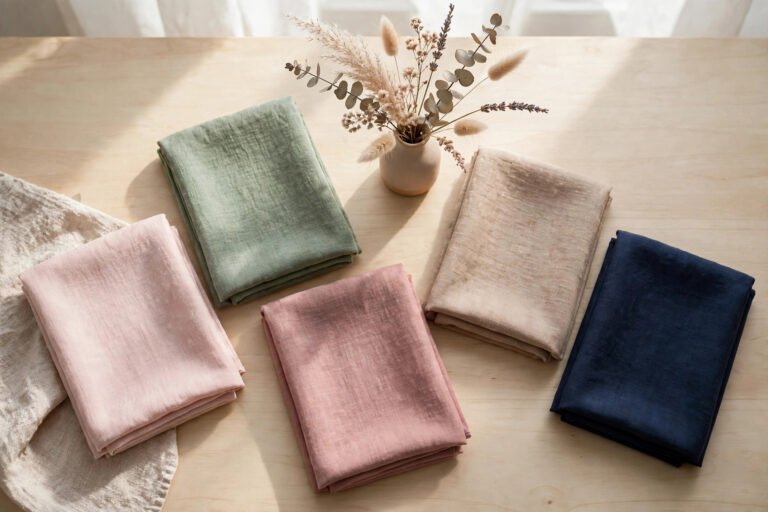
Pastel shades like blush pink, mint green, powder blue and ivory have become very popular for daytime nikah ceremonies. They look fresh and elegant, and they suit brides who prefer a softer, more modern look. Pastels also photograph beautifully in natural light.
White and Ivory
White and ivory nikah dresses are a growing trend, especially for brides who want a clean, graceful look. An ivory outfit with silver or gold work looks regal without being heavy. If you choose white, make sure the embroidery has enough contrast so the details show up in photos.
Green and Teal
Green is a traditional favourite for nikah, and shades like emerald, bottle green and teal look rich on every skin tone. A green outfit with gold or antique-gold embroidery is a classic combination that never goes out of style.
Popular Nikah Dress Styles
Lehenga Choli
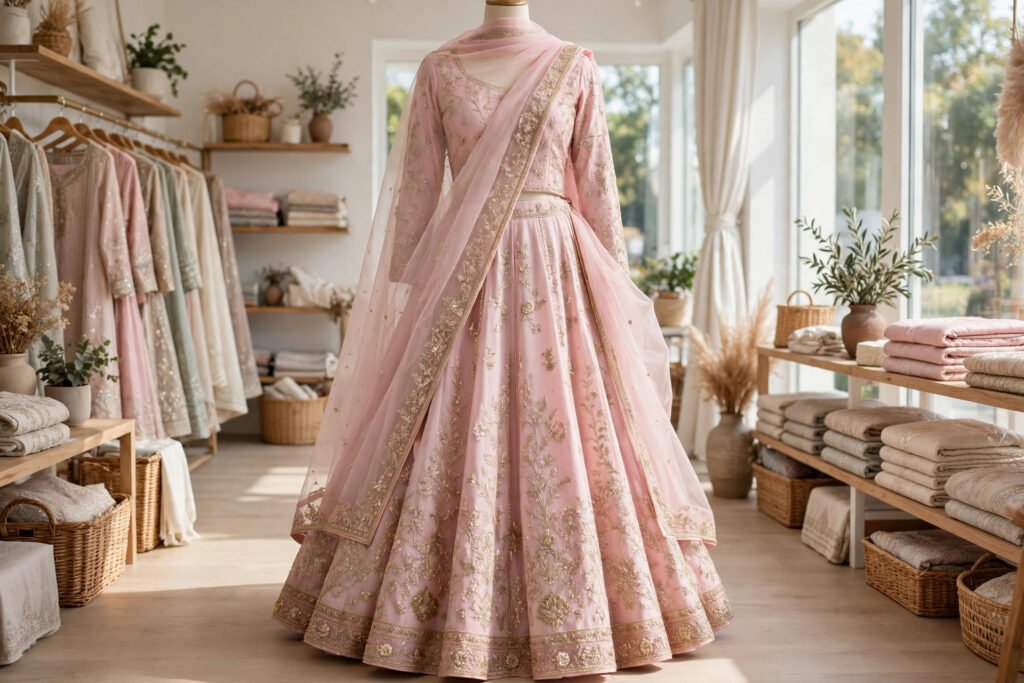
A lehenga choli is the most popular nikah outfit. Choose a lehenga with a medium flare rather than a very wide one, so you can sit and move comfortably. A short or mid-length choli with a sheer dupatta gives a balanced, elegant look.
Gharara and Sharara
Ghararas and shararas are traditional and comfortable, making them an excellent nikah choice. A short kameez with a flared gharara looks graceful and is easy to manage during the ceremony. This style also suits brides who want a classic, old-world feel.
Long Kameez with Palazzo or Churidar
A long, straight kameez paired with a palazzo or churidar is a simple yet elegant option, especially for a home nikah or a small gathering. Add a heavily embroidered dupatta to lift the whole look.
Anarkali
An Anarkali dress is a beautiful middle ground between a lehenga and a kameez. The flowing silhouette looks festive, and the fitted bodice keeps it structured. Anarkalis work well in pastel shades and light fabrics.
Choosing the Right Fabric
The fabric you choose affects both comfort and appearance, especially in Pakistan’s weather.
- Chiffon: Light, flowy and perfect for summer nikah ceremonies. It drapes beautifully and suits lehengas and Anarkalis.
- Silk: Raw silk and jamawar silk give a rich, festive feel and are ideal for winter nikah ceremonies.
- Organza: A modern favourite for dupattas and panels, organza adds structure and a soft sheen without weight.
- Velvet: Best for winter evening nikah ceremonies. A velvet blouse or kameez with gold embroidery looks luxurious.
- Net: Net is great for dupattas and lehenga panels, adding volume without heaviness.
Avoid very heavy fabrics in summer, and avoid thin, flimsy fabrics in winter. Comfort matters, because you will be wearing the outfit for several hours.
Embroidery and Embellishment
For a nikah, moderate embroidery works best. Resham thread work, zari, dabka and light stone work all look elegant without weighing the outfit down. Mirror work and gota are lovely for daytime ceremonies, while dabka and kora look stunning under evening lights. Ask your designer or tailor to keep the embroidery denser on the neckline, sleeves and dupatta borders, and lighter on the main body. This keeps the dress comfortable and makes the details stand out where they matter most.
Styling Tips for the Nikah Look
Dupatta Draping
The dupatta is the most important part of a nikah look, since it covers the head during the ceremony. Choose a dupatta that is long enough to drape over your head and shoulders comfortably. A lightweight chiffon or net dupatta with an embroidered border is easy to manage and looks graceful.
Jewellery
Keep jewellery balanced with the dress. A simple gold set, a delicate tikka and small jhumkas are enough for a daytime nikah. For an evening nikah, you can add a choker or a maang tikka. Avoid wearing too many heavy pieces at once, as they can distract from the dress.
Makeup and Hair
Soft, natural makeup suits a nikah best. A fresh base, defined eyes and a soft lip colour look elegant in photos. For hair, a low bun or soft curls under the dupatta work well and stay in place throughout the ceremony.
Footwear
Choose comfortable footwear, because you will be standing and sitting for a long time. Embroidered khussas or low heels are both good choices. Try them with the dress before the day to make sure the length is right.
Budget Tips for Brides in Pakistan
- Start early: Order your dress at least two to three months before the nikah so there is time for fittings and changes.
- Reuse and restyle: A family heirloom dupatta or a piece from your mother’s wardrobe can add sentimental value and save money.
- Compare tailors: Get quotes from two or three good tailors or boutiques before deciding, and check their recent work.
- Prioritise the dupatta: If the budget is tight, spend more on a beautiful dupatta and keep the rest of the outfit simpler.
- Keep a backup: Carry a safety pin kit and a small sewing kit on the day, just in case a hook or button comes loose.
Common Mistakes to Avoid
- Choosing a very heavy lehenga that is hard to sit in for hours.
- Picking a colour that clashes with the venue decoration or looks washed out in photos.
- Leaving fittings until the last week, when there is no time for changes.
- Forgetting to try the full outfit, including dupatta, jewellery and shoes, together before the day.
- Wearing brand-new, stiff footwear that has never been broken in.
FAQ
What colour is best for a nikah dress in Pakistan?
Red and maroon are the most traditional, while pastels, ivory and green are popular modern choices. Pick a colour that suits your skin tone and the time of the ceremony.
Can a bride wear white for her nikah?
Yes, white and ivory nikah dresses are becoming more common and look graceful, especially with gold or silver embroidery. Make sure the outfit has enough detail to stand out in photos.
How far in advance should I order my nikah dress?
Order at least two to three months before the ceremony. This leaves time for stitching, embroidery and at least two fittings.
Is a lehenga or a gharara better for a nikah?
Both work well. A lehenga looks more festive, while a gharara is often more comfortable to sit in. Choose the one that feels easier to wear for several hours.
Conclusion
Your nikah dress should make you feel beautiful, comfortable and confident on one of the most important days of your life. Choose a colour and style that reflects your personality, a fabric that suits the season, and embroidery that is elegant rather than heavy. Try the complete look before the day, keep the styling simple, and enjoy the ceremony without worrying about your outfit. A well-chosen nikah dress is one you will remember fondly every time you look at the photographs.