Introduction
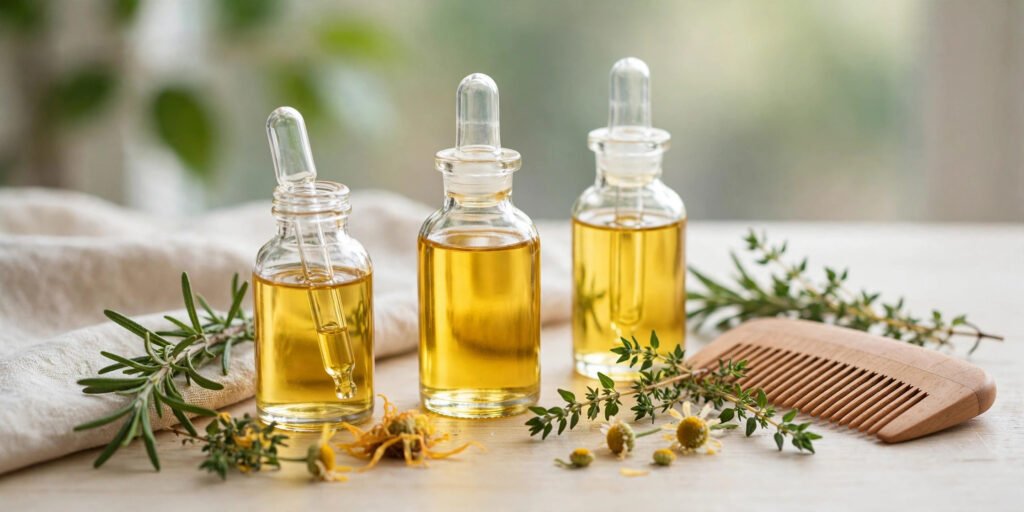
Hair fall worries many men and women in Pakistan, and hair oil is often the first remedy people try. Shelves in Pakistani markets are full of oils promising thick, long, dandruff-free hair, but not every oil suits every scalp, and no oil alone can fix hair fall caused by illness, severe deficiency, or genetics.
This guide explains how hair oils actually help, which types suit different hair and scalp problems, how to use them correctly, and when hair fall needs medical advice instead of another bottle. It focuses on practical buying and use, not miracle claims, so you can choose sensibly and avoid wasting money.
How Hair Oil Actually Helps
Hair oil mainly helps by moisturising the hair shaft, reducing breakage, and improving scalp comfort. Oiled hair is less likely to break during combing, and a massaged scalp feels less dry and itchy. Oil does not create new hair follicles, and it cannot reverse genetic hair loss on its own, but it can reduce the breakage that makes hair look thinner.
Think of hair oil as maintenance, not medicine. Regular, gentle oiling, combined with a balanced diet, proper washing, and avoiding harsh heat and chemical treatments, protects the hair you have. If hair fall is sudden, patchy, or accompanied by other symptoms, oil will not solve the underlying cause, and medical advice matters more than product choice.
Coconut, Mustard, Argan and Other Common Oils
Coconut oil is the most widely used hair oil in Pakistan, and it suits most hair types because it penetrates the hair shaft and reduces protein loss during washing. It is a good everyday choice for dry, damaged, or frizzy hair, though very fine hair can look greasy if too much is used.
Mustard oil, a traditional choice in Punjab and northern Pakistan, is warming and stimulating when massaged into the scalp, but it is strong and can irritate sensitive skin. Always patch-test mustard oil first, and dilute it with coconut or olive oil if your scalp is sensitive. Argan oil is lighter and suits fine or oily hair, because a small amount adds shine without heaviness, though genuine argan oil costs more than common oils.
Onion oil and amla oil are popular for hair fall, and many Pakistani brands combine them with coconut or mustard oil bases. They may support scalp health and reduce breakage, but results vary, and strong fragrances or added chemicals can irritate some scalps. Check the ingredient list, and prefer oils with short, recognisable ingredients over products with long lists of unknown additives.
Choosing Oil for Your Hair Type
For dry, rough, or chemically treated hair, choose heavier oils such as coconut or a coconut-mustard blend, used once or twice a week. For oily scalps, use lighter oils such as argan, or a small amount of coconut oil applied mainly to hair lengths rather than the scalp, to avoid clogging pores.
For dandruff-prone scalps, avoid heavy oiling that traps flakes, and focus on gentle washing and, if needed, a medicated shampoo recommended by a pharmacist or dermatologist. For fine hair, use only a few drops, warm the oil between your palms, and apply to mid-lengths and ends. For curly or thick hair, slightly more oil helps control frizz and define curls, especially after washing.
How to Oil Hair Correctly
Warm a small amount of oil, not hot, and massage it gently into the scalp with fingertips, not nails, for five to ten minutes. Work remaining oil through hair lengths, avoid pulling or rough combing, and leave it for one to two hours, or overnight if your scalp tolerates it. Wash with a mild shampoo, rinsing thoroughly, and repeat shampooing if hair still feels greasy.
Oil once or twice a week is enough for most people. Daily heavy oiling can clog scalp pores, attract dust, and make hair look limp, especially in Pakistan’s hot, dusty summers. Always wash pillowcases regularly if you oil overnight, and avoid oiling immediately before heat styling, which can damage hair.
Buying Safely in Pakistan
Buy hair oil from reputable brands, authorised sellers, or well-known stores, and check seals, expiry dates, and ingredient lists. Be cautious with unlabelled oils sold in open markets, because adulteration is common, and with products that promise guaranteed regrowth, which no oil can honestly guarantee.
Keep receipts for expensive oils, test a new oil on a small scalp patch first, and stop using it if it causes itching, redness, or increased hair fall. Price is not a reliable guide to quality: a simple, pure coconut oil often works as well as an expensive branded blend, and the best oil is the one your scalp tolerates and you actually use regularly.
When Hair Fall Needs a Doctor
See a doctor or dermatologist if hair fall is sudden and heavy, if you notice bald patches, if your scalp is painful, red, or scaly, or if hair fall comes with fatigue, weight change, or irregular periods. These signs can point to thyroid problems, iron deficiency, hormonal issues, or scalp conditions that need proper diagnosis.
A doctor may check blood tests, review medicines, and recommend treatments beyond oil, such as medicated shampoos or prescribed therapies. Using oil alongside medical treatment is usually fine, but tell your doctor what you use, so advice fits your routine.
FAQ
Which hair oil is best for hair fall in Pakistan?
There is no single best oil. Coconut oil suits most hair types, mustard oil suits traditional scalp massage if tolerated, and lighter argan oil suits fine hair. Choose by hair type and scalp tolerance.
How often should I oil my hair for hair fall?
Once or twice a week is enough for most people. Daily heavy oiling can clog pores and make hair look greasy without extra benefit.
Can hair oil regrow bald hair?
No oil can regrow hair in truly bald areas or reverse genetic hair loss on its own. Oil reduces breakage and supports scalp health, but persistent or patchy loss needs medical advice.
Should I apply hair oil to the scalp or only to hair lengths?
For dry scalps, gentle scalp massage helps. For oily scalps, apply mainly to lengths and ends, using only a small amount on the scalp.
Conclusion
The best hair oil in Pakistan for hair fall is the one that suits your hair type, does not irritate your scalp, and fits a realistic routine you can maintain. Coconut oil for dry hair, lighter oils for fine hair, and careful, patch-tested use of traditional oils will protect your hair far better than chasing miracle products. Oil gently, wash properly, eat well, and seek medical advice when hair fall is sudden or patchy. Consistent, simple care beats expensive promises every time.