Shopping for clothes online in Pakistan is convenient, affordable and full of choice, but choosing the right size can be tricky. Without a trial room, it is easy to order something that turns out too tight, too loose, or simply different from what you expected. The good news is that most sizing problems are avoidable. With your correct measurements, a careful reading of the size chart, and a little attention to fabric and fit, you can order with much more confidence and reduce the need for exchanges and returns.
Start With Your Own Measurements
The single most important step in online clothes shopping is knowing your own measurements. Do not rely on the size you usually wear, because sizes vary widely between brands, and a medium in one store may fit like a large or small in another.
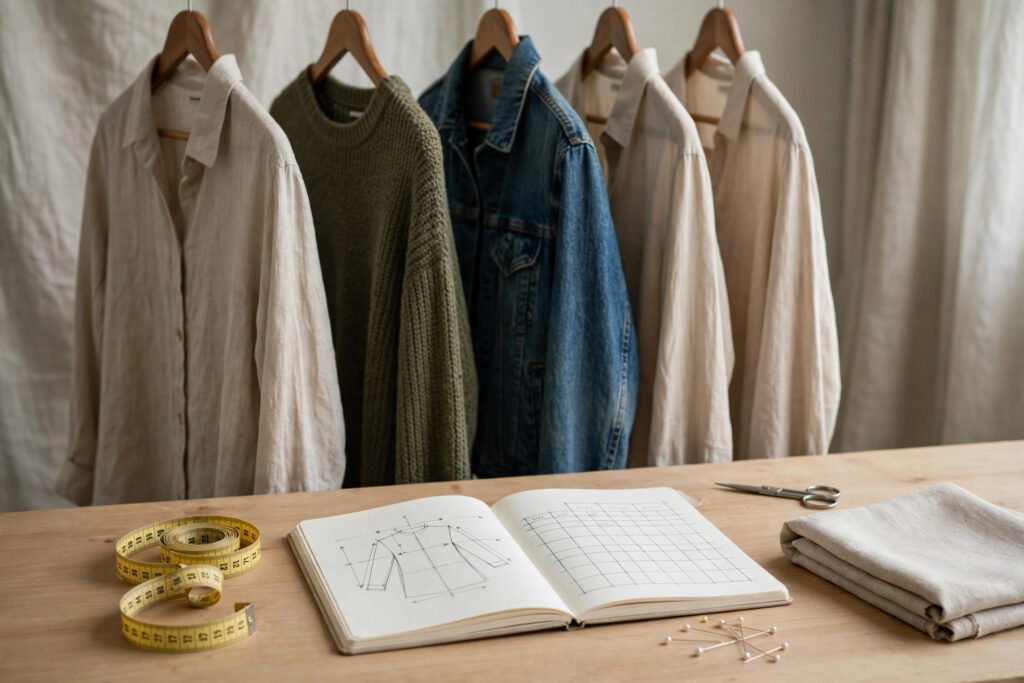
Take your measurements with a soft measuring tape, standing naturally and wearing light clothing. For tops, kurtas and shirts, the key measurements are chest, waist, shoulder width and sleeve length. For trousers, shalwars and jeans, measure your waist, hips and inseam, which is the length from the inner leg to the ankle. For dresses and frocks, also note your total length from shoulder to where you want the hem to fall.
Read the Size Chart Every Time
Every reputable online store provides a size chart, usually on the product page. Always check it before ordering, even if you have bought from the same store before, because different products may follow different charts.
Compare your measurements with the chart rather than simply choosing your usual size label. If your measurements fall between two sizes, consider the style of the garment. For a fitted shirt or formal wear, the smaller size may look neater, while for a relaxed kurta, loose dress or winter wear, the larger size is often more comfortable. Also check whether the chart gives measurements for the garment itself or for the body. Garment measurements usually include a little extra room for comfort, so understanding this difference prevents confusion.
Pay attention to the unit of measurement too. Some charts use inches and others use centimetres, so double-check before comparing numbers. A small conversion mistake can lead to a completely wrong size.
Understand Fit, Fabric and Style
Fit descriptions tell you how a garment is meant to sit on the body. Terms such as slim fit, regular fit, relaxed fit and loose fit are important clues. A slim fit kurta will feel very different from a relaxed fit kurta in the same size, so choose the fit that matches your comfort and the occasion.
Fabric also affects sizing. Stretchy fabrics such as jersey, lycra blends and some lawn varieties offer more flexibility, while non-stretch fabrics such as formal cotton, linen and heavily embroidered materials have less give. If a garment is made from a stiff fabric and has no stretch, choosing a size with a little extra room is often safer.
Style matters as well. Pakistani clothing comes in many cuts, from straight kurtas and A-line frocks to ghararas, lehengas and formal suits. A size that fits well in one style may not fit the same way in another, especially around the shoulders, waist and hips. Reading the product description carefully, including details about the cut, length and lining, helps you picture how the garment will actually fit.
Check Product Photos, Reviews and Descriptions
Product photos can reveal a lot about fit if you look closely. Check whether the model is wearing the garment loosely or fitted, and whether the description mentions the model’s height and size. Some stores include this information, which can help you judge how the same garment might look on you.
Customer reviews are also valuable. Look for comments from buyers with a similar body type who mention whether the item runs small, true to size, or large. If several reviewers say the same thing, it is worth taking seriously. Reviews that mention fabric quality, colour accuracy and stitching can also help you decide whether the product is worth ordering at all.
Be cautious with heavily edited photos. If a product has only one image, or the colours look very different across images, consider asking the seller for real photos or additional details before ordering. A careful seller will usually be happy to help.
Measure for Pakistani Clothing Specifically
Pakistani outfits have their own sizing considerations. For a shalwar kameez, the kameez length, shoulder fit and chest measurement are especially important, while the shalwar should allow comfortable movement without being too loose or too tight. For a lehenga or gharara, waist measurement and total length matter most, because these garments are often worn with heels and need to fall at the right point.
For unstitched fabric, which is very popular in Pakistan, sizing works differently. You are buying fabric, not a finished garment, so check the fabric length and width, and confirm with your tailor how much material your chosen design requires. For stitched suits, always compare your measurements with the finished garment measurements provided by the seller.
If you are ordering formal or bridal wear online, take extra care. These outfits are often more structured and less forgiving in fit, so accurate measurements and clear communication with the seller are essential. Ask about the exact measurements of the piece you will receive, not just a general size label.
FAQ
Should I order my usual size when shopping online?
Not always. Sizes vary between brands, so always compare your own measurements with the store’s size chart instead of relying on your usual size label.
What should I do if my measurements fall between two sizes?
Consider the fit and fabric. For fitted or non-stretch garments, the larger size is often safer, while for relaxed styles, either size may work depending on how loose you prefer the fit.
How can I check if an online clothing item will fit well?
Read the size chart, check the fit description and fabric details, look at product photos, and read customer reviews mentioning whether the item runs small or large.
What if the clothes I ordered online do not fit?
Check the store’s exchange policy, keep the tags and packaging, and request an exchange promptly. Trying the item on at home first helps you spot fitting issues early.
Conclusion
Choosing the right size when shopping for clothes online in Pakistan comes down to preparation. Know your measurements, read the size chart for every product, understand fit and fabric, and check reviews before ordering. These simple habits take only a few minutes but can save you time, money and frustration. With practice, online shopping becomes just as reliable as buying in a store, with the added convenience of browsing from home.