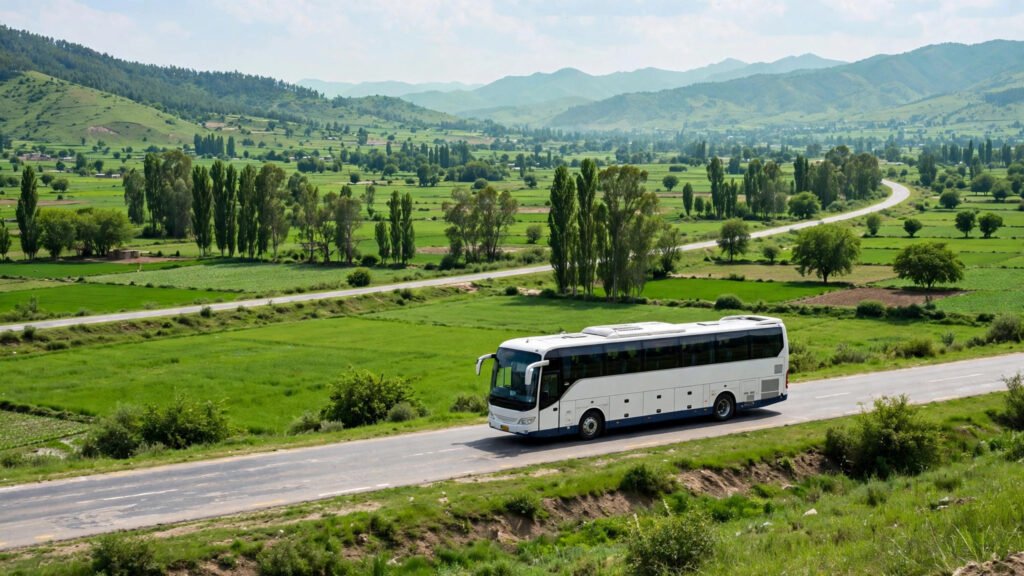
Travelling by bus is one of the most common and affordable ways to move between cities in Pakistan. From short trips between neighbouring towns to long overnight journeys across provinces, buses connect places that trains and flights do not always reach, and they do so at prices most travellers can afford. For a first-timer, however, the experience can feel confusing: different companies, different ticket classes, busy terminals and unfamiliar routines. This guide explains what to expect and how to travel comfortably and safely.
Planning Your Route
Start by deciding your destination, your preferred travel time and your budget. Daytime travel is often better for first-timers, because you can see the route, stops are easier to manage, and arriving in daylight makes onward travel simpler. Overnight buses save a day and can be comfortable on long routes, but they suit travellers who can sleep in a moving vehicle and are comfortable arriving early in the morning.
Check the route before you book. Some services use motorways and reach their destination faster with fewer stops, while others use older highways and stop in many towns along the way. If speed matters, ask specifically whether the service is direct or stopping, and how many rest stops are planned. For long journeys, a service with scheduled rest stops for food, prayer and refreshments is far more comfortable than one that stops unpredictably. If you are travelling with family, consider seat location: front seats tend to feel less bumpy, while seats near the middle often offer a smoother ride.
Booking Your Ticket
Tickets can usually be bought at the company’s booking office at the terminal, through an agent, by phone, or through online booking platforms where available. Booking in advance is strongly recommended, especially before weekends, public holidays, Eid and school holiday periods, when popular services fill quickly.
When booking, confirm the details in writing or by message: the company name, departure terminal, departure time, seat number, fare and estimated arrival time. Keep your ticket or booking confirmation safe, and carry the identification the company asks for. If you book through an agent, confirm that the ticket is genuine and that the seat and timing match what you were promised.
Ticket classes differ by company. Some offer standard and executive or business classes, with differences in seat size, legroom, air-conditioning and onboard service. If you are unsure which class suits you, ask what the difference includes — extra legroom and reclining seats can make a real difference on a journey of several hours, while on a short trip the standard class may be perfectly adequate.
What to Pack and Carry
Pack light, but pack wisely. Keep valuables, documents, your phone, charger, money and medicines in a small bag you keep with you at all times, never in luggage stored underneath the bus. A water bottle, light snacks, tissues, a shawl or light blanket, and earphones can make a long journey much more comfortable.
Dress for comfort and for changing conditions. Air-conditioned coaches can feel cold, especially at night, while daytime buses on older routes can feel warm. Layers — a light jacket or shawl over comfortable clothes — let you adjust easily. Wear comfortable shoes, and keep a pair of sandals in your bag for rest stops. For luggage, label your bags clearly with your name and phone number, note how many pieces you hand over, and keep any luggage token or receipt you are given.
At the Terminal and On Board
Arrive at the terminal at least half an hour before departure, and earlier if you are unfamiliar with the location or travelling at a busy time. Find your company’s office or departure bay, confirm your seat, and ask staff where to wait. Terminals can be crowded and noisy, so stay aware of your belongings and avoid leaving bags unattended.
Once on board, settle in promptly, store your small bag safely, and note the location of emergency exits if they are marked. Listen to instructions from the driver or conductor, especially about rest stops: how long the stop lasts, and what time the bus will leave. It is easy to lose track of time at a busy rest stop, so set an alarm on your phone a few minutes before departure time. During the journey, be considerate of fellow passengers: keep phone conversations quiet, use earphones for music or videos, and keep the aisle clear.
Safety Tips for First-Timers
Safety starts with choosing a reputable company with a proper booking office and a scheduled service, rather than an unmarked vehicle offering an informal ride. Share your travel plan — company, departure time and expected arrival — with a family member or friend, and stay in touch during long journeys.
Keep your valuables close, avoid displaying expensive items openly, and be cautious with strangers who offer food, drinks or unsolicited help with luggage. Most fellow travellers are friendly and helpful, but staying sensible in crowded, unfamiliar places is wise. If something feels wrong, move to a busier area or inform the conductor or terminal staff.
For women travelling alone, choosing a reputable company, booking a seat near other families or near the front, and travelling during daytime hours where possible can add comfort and confidence. Asking staff for help with seating or luggage is perfectly reasonable. In case of delays or breakdowns, stay calm, ask staff what is happening, keep the company’s contact number saved in your phone, and have a backup plan in case you arrive later than expected.
Frequently Asked Questions
Should I book a bus ticket in advance in Pakistan?
Yes, especially for popular routes, weekends and holiday periods. Advance booking secures your seat and preferred timing, and avoids the uncertainty of arriving at a busy terminal without a ticket.
Is overnight bus travel safe for first-timers?
Overnight travel on reputable, scheduled services is common and generally comfortable. First-timers may prefer daytime travel for their first trip, and should share their travel details with family and keep valuables close.
What should I do if my bus is delayed?
Stay at the terminal or with the group, ask staff for updates, and inform people waiting for you at your destination. Keep your phone charged and have the company’s contact number saved.
Can I carry food and water on the bus?
Yes. Carrying your own water and light snacks is sensible, especially on long routes. Avoid strong-smelling food out of consideration for fellow passengers, and dispose of rubbish responsibly at stops.
Conclusion
Bus travel in Pakistan is affordable, widely available and, with a little preparation, genuinely enjoyable. Choose a reputable company, book in advance, arrive early, pack wisely and stay aware of your belongings and your stops. Once you have made your first journey, the routines quickly become familiar, and you will travel with far more confidence next time. Safe travels — and enjoy the view along the way.