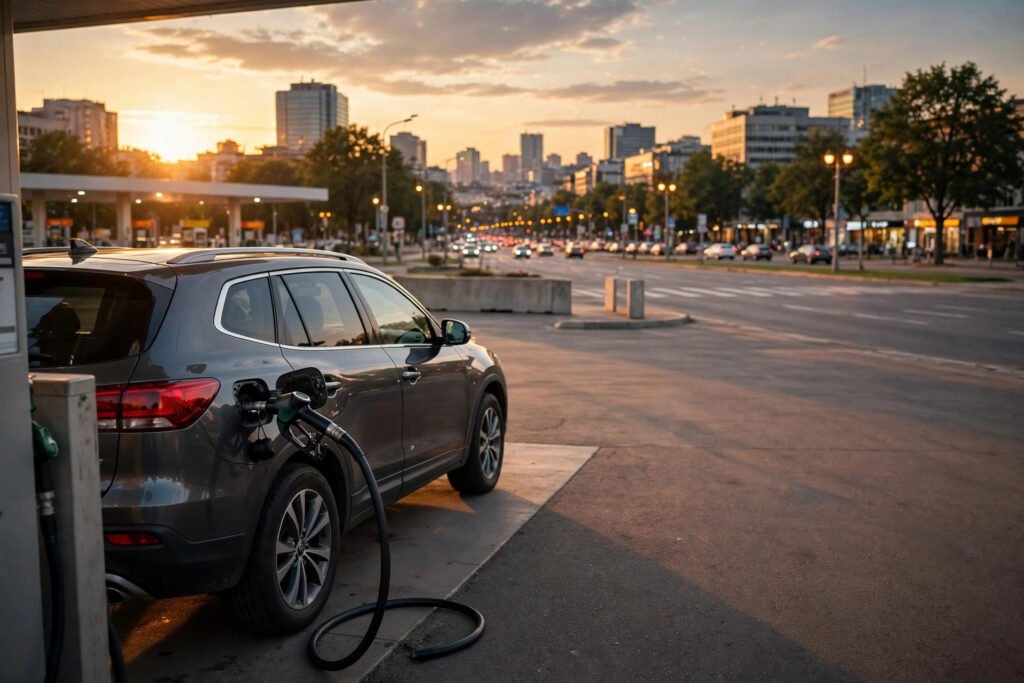
Fuel and transport costs are a regular part of life in Pakistan, whether you drive your own car, ride a motorcycle, or rely on buses, rickshaws and ride-hailing services. Because these costs come up every single day, even small savings add up quickly over a month. The good news is that you do not need to buy a new vehicle or make drastic changes to spend less. A few practical habits, a little planning, and better use of the transport options already around you can make a real difference to your monthly budget.
Plan Your Trips Before You Leave
One of the easiest ways to save fuel is to reduce unnecessary travelling. Before heading out, think about everything you need to do and whether several errands can be combined into one trip. Going to the market, the bank and a family visit in a single outing uses far less fuel than making three separate trips on different days.
It also helps to plan your route. In busy Pakistani cities, traffic jams can waste a surprising amount of fuel, especially when the engine is idling for long periods. If you know a shorter or less congested route, take it, even if it looks slightly longer on paper. Travelling at less busy times, where your schedule allows, can also save fuel and reduce stress. A calm, steady journey is almost always cheaper than a stop-start journey through heavy traffic.
Drive Smoothly and Keep Your Speed Steady
Your driving style has a direct effect on fuel consumption. Harsh acceleration, sudden braking and speeding all burn extra fuel. Driving smoothly, accelerating gently and keeping a steady speed is one of the most effective ways to save money without spending anything at all.
Avoid unnecessary idling as well. If you are waiting for someone and the wait is likely to be long, switching the engine off saves fuel. Similarly, carrying heavy items in the boot that you do not need adds weight and increases fuel use, so remove anything unnecessary. Roof racks and open windows at higher speeds can also increase resistance, so use them only when needed.
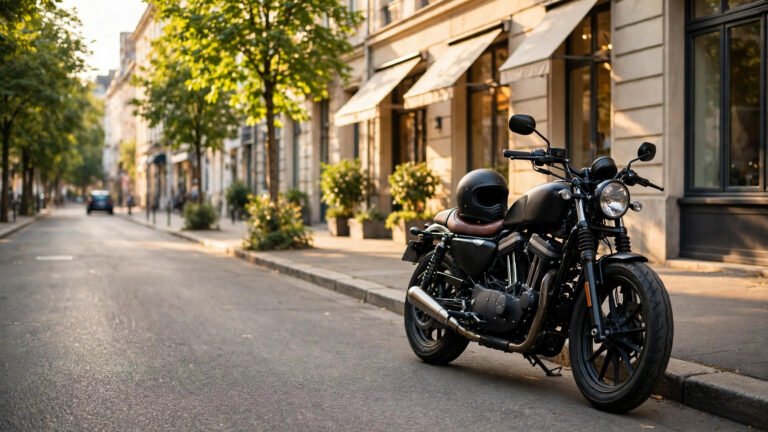
For motorcycle riders, the same principles apply. Smooth riding, correct gear use and avoiding unnecessary revving all help the fuel last longer. A motorcycle is already one of the most economical ways to travel in Pakistan, and good riding habits make it even cheaper.
Look After Your Vehicle Regularly
A well-maintained vehicle uses less fuel than a neglected one. Regular servicing may feel like an expense, but it often pays for itself through better fuel efficiency and fewer breakdowns. Simple checks make a big difference.
Tyre pressure is one of the most overlooked factors. Under-inflated tyres increase resistance and make the engine work harder, which means more fuel is used. Check your tyre pressure regularly and keep it at the level recommended for your vehicle. Clean air filters, timely oil changes and properly working brakes also help the vehicle run efficiently.
If your car has a warning light on the dashboard, do not ignore it for months. A small problem caught early is usually cheaper to fix than a bigger problem later, and it may also be quietly increasing your fuel consumption in the meantime.
Use Public Transport and Ride-Sharing Wisely
For many daily journeys, especially commuting to work or university, public transport is the cheapest option. Buses, vans and metro services in larger cities cost far less per trip than driving a private car, and you avoid parking costs as well. Even using public transport for a few days a week, rather than every day, can bring your monthly transport bill down noticeably.
Ride-sharing is another practical option. If colleagues, classmates or neighbours travel the same route at the same time, sharing a ride splits the fuel cost and reduces the number of vehicles on the road. Many people in Pakistan already do this informally with family members and friends. A simple arrangement, such as taking turns to drive each week, works well and keeps things fair.
Ride-hailing apps are convenient, but they can become expensive if used for every trip. Try reserving them for times when they are genuinely needed, such as late at night, in bad weather, or when carrying heavy items, and use cheaper options for routine journeys.
Track Your Spending and Set a Transport Budget
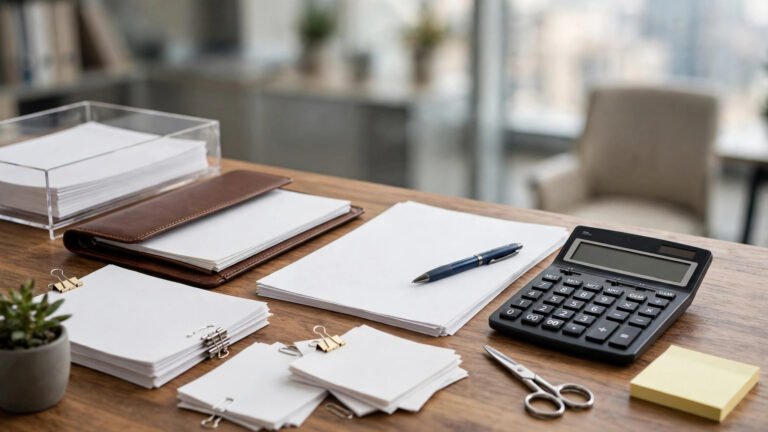
You cannot manage what you do not measure. For one month, note down what you spend on fuel, ride-hailing, bus fares and vehicle maintenance. You may be surprised by the total, and you will quickly see where the biggest costs are coming from.
Once you know your usual spending, set a realistic weekly or monthly transport budget. Having a clear limit encourages smarter choices, such as combining trips or choosing public transport more often. If you use a fuel tracking app or simply keep notes on your phone, you can also spot changes in your vehicle’s fuel efficiency, which may signal that maintenance is needed.
Small changes to daily routines, such as leaving a few minutes earlier to avoid rushing, can also help. Rushing leads to faster driving, more braking and more fuel use, while a relaxed journey is cheaper and safer.
FAQ
What is the simplest way to save fuel every day?
Drive smoothly, avoid harsh acceleration and sudden braking, and combine errands into fewer trips. These habits cost nothing and start saving fuel immediately.
Does regular servicing really save money on fuel?
Yes. Correct tyre pressure, clean filters and timely servicing help the engine run efficiently, which reduces fuel consumption and lowers the risk of costly repairs later.
Is public transport cheaper than driving in Pakistan?
For most daily commutes, yes. Bus and metro fares are generally much lower than the combined cost of fuel, parking and vehicle wear, especially in larger cities.
How can ride-sharing help cut transport costs?
Sharing a ride with colleagues or neighbours splits the fuel cost between passengers, so everyone pays less while making fewer separate trips on the same route.
Conclusion
Saving money on fuel and transport in Pakistan does not require major sacrifices. It comes from everyday decisions: planning trips, driving smoothly, maintaining your vehicle, choosing cheaper transport options when they make sense, and keeping track of what you spend. Start with one or two changes that fit your routine, and add more over time. The savings may seem small day by day, but over weeks and months they add up to money that can be used for more important things.