Finding more hair than usual on your pillow, in the shower drain or on your comb can be stressful, and in Pakistan’s heat and dust, it often feels worse than it is. The good news is that mild hair fall often responds well to simple, consistent home care. This guide covers practical, natural approaches using ingredients available in Pakistan. It does not promise a cure — no home remedy can guarantee one — but it focuses on habits that support healthier hair, and on recognising when to see a doctor.
Why Hair Falls: Common Causes in Pakistan
Some shedding every day is normal, since hair grows in cycles and a certain amount of daily loss is part of that cycle. Problems begin when shedding increases noticeably, hair feels thinner over weeks or months, or you notice bald patches or a widening parting. In Pakistan, several everyday factors commonly contribute: nutritional gaps, especially low iron and protein; stress, lack of sleep and illness, which can trigger shedding a few months later; harsh care such as frequent heat styling, tight hairstyles and vigorous towel drying; hard water, which can leave hair dry and brittle; and dry winter months, when shedding often looks worse. Hormonal changes, including after pregnancy and with some medicines, also matter.
First, an Important Health Note
Before trying any remedy, be honest about the pattern of your hair loss. See a doctor or dermatologist promptly if you notice sudden or heavy shedding, bald patches, itching, redness or scaling on the scalp, hair loss along with symptoms such as fatigue or unexplained weight change, or hair fall that does not improve after a few months of gentle care. A professional can check for treatable causes — such as iron deficiency, thyroid problems, scalp conditions or medicine side effects — that no oil or mask can fix. Home remedies work best as supportive care alongside proper medical advice when needed, not as a replacement for it.
Oils That Support the Scalp and Hair
Oiling is one of the oldest hair care traditions in Pakistan, and when done gently, it can genuinely help. A light scalp massage with warm oil improves blood circulation, helps distribute natural oils and lets you notice scalp problems early. The key word is gentle: vigorous rubbing or pulling can break hair and irritate the scalp. Coconut oil suits many hair types and is widely available; mustard oil and almond oil are also popular, while olive oil works well for very dry hair. Choose one oil, warm it slightly, apply it with your fingertips in small circles, work a little through the lengths, and leave it for an hour or two before washing. Once or twice a week is enough. Avoid oiling a scalp that is already itchy, sore or flaky without advice, as this can worsen some scalp conditions.
Everyday Ingredients: What Helps and What to Skip
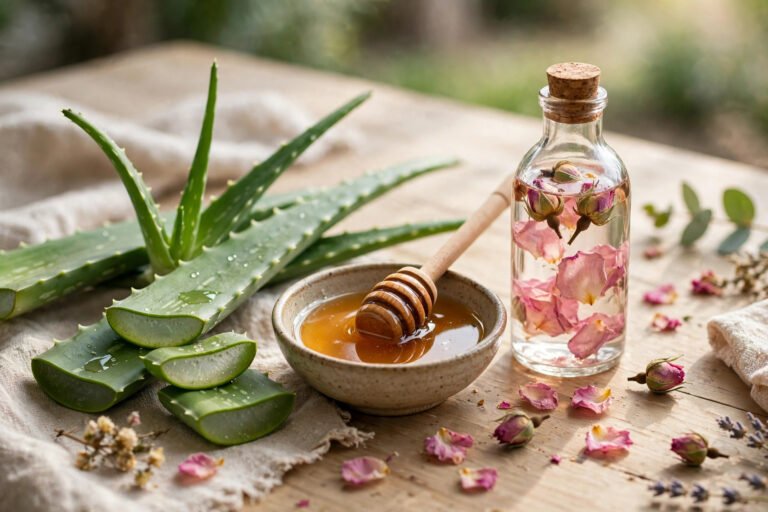
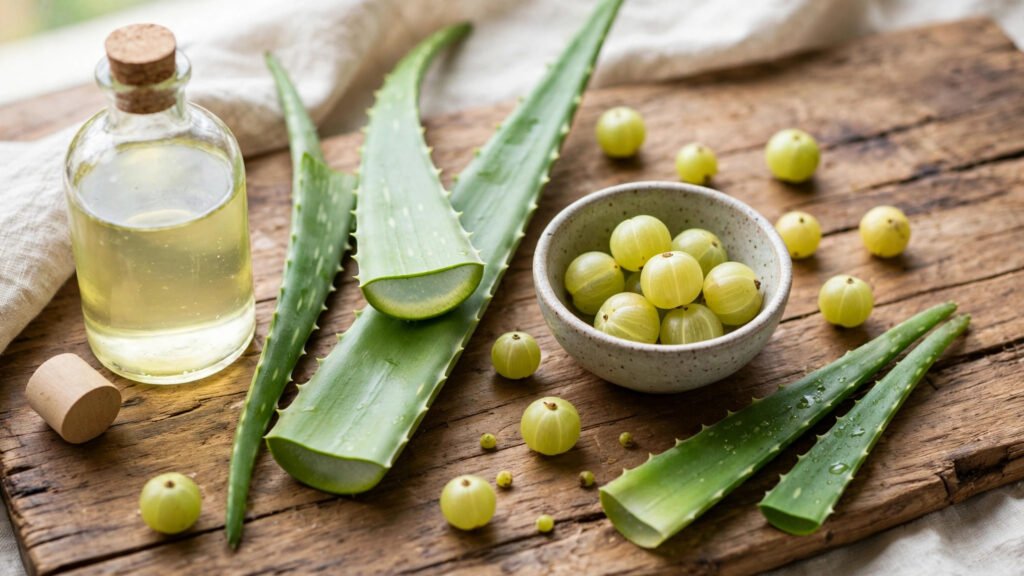
Many Pakistani households already use natural ingredients for hair, and some are genuinely useful when used sensibly. Aloe vera gel from the plant, applied to the scalp and washed off after a short time, can soothe dryness. Yoghurt-based masks can add moisture to dry lengths. Fenugreek seeds, soaked overnight and ground into a paste, are a traditional remedy many people find helps with scalp comfort and hair texture. Use these with realistic expectations: a mask may make hair softer and shinier, and a healthier scalp can support growth over time, but no home treatment regrows hair overnight or reverses pattern baldness. Be cautious with irritants such as lemon juice applied directly to the scalp, strong herbal mixtures of unknown strength, or any product promising miraculous regrowth. If a remedy stings or causes redness, wash it off and do not repeat it. Patch-test any new ingredient behind the ear first.
Diet: Feeding Hair from the Inside
Hair is largely made of protein, and it is one of the first things the body deprioritises when nutrition is poor. In Pakistan, a hair-friendly diet does not require expensive supplements or imported foods. Include protein at most meals — lentils, chickpeas, eggs, chicken, fish or dairy, according to your diet. Iron-rich foods such as spinach, lentils, red meat in moderation and fortified flour also matter, especially for women. Vitamin C from citrus fruits, guavas and tomatoes helps the body absorb iron from plant foods, so pairing them in a meal is smart. Nuts and seeds provide healthy fats and minerals, and drinking enough water supports overall hair and scalp health. Crash diets and skipping meals are among the most common avoidable causes of shedding, so diet gradually and keep protein intake adequate. If you suspect a deficiency, a doctor can arrange a blood test; supplements should only be taken on professional advice.
Gentle Habits, Stress and a Simple Routine
Often the biggest improvement comes from stopping habits that damage hair. Wash every two to three days for most people in Pakistan’s climate, using lukewarm water and a mild shampoo, and rinse thoroughly so build-up does not irritate the scalp. Handle wet hair with care: pat dry with a soft towel, and detangle gently with a wide-toothed comb from the ends upwards. Limit heat styling, and use the lowest effective heat when you do style. Avoid very tight ponytails, braids and buns every day, since constant tension can cause hair loss around the hairline over time. Stress also matters: increased shedding often appears two to three months after a stressful period, so regular sleep, daily movement and genuine relaxation all help indirectly. A realistic weekly routine is simple: oil gently once or twice a week, wash every two to three days, use a conditioner or mask weekly, and detangle gently daily. Give it at least two to three months — hair grows slowly.
Frequently Asked Questions
How much hair fall per day is normal?
A modest amount of daily shedding is normal. Worry is more justified when shedding increases sharply, continues for months, or comes with thinning, bald patches or scalp symptoms.
Does oiling stop hair fall completely?
No. Gentle oiling can support scalp health and reduce breakage, but it cannot cure medical causes of hair loss or guarantee regrowth. Think of it as supportive care, not a cure.
Are home remedies safe for everyone?
Most gentle remedies are safe, but anyone with a scalp condition, allergies or sudden hair loss should seek medical advice first, and stop any remedy that causes irritation.
When should I see a dermatologist?
For sudden or heavy shedding, bald patches, scalp pain, itching or scaling, hair loss with other symptoms, or any pattern that does not improve after a few months of gentle care.
Conclusion
Healthy hair in Pakistan is less about expensive products and more about consistent, gentle care: a nourished diet, a calm scalp routine, careful handling and patience. Home remedies such as light oiling and natural masks can genuinely support healthier hair when used sensibly, but they promise no cures and should never delay medical advice when hair loss is sudden, severe or persistent. Start with the basics, give them a few months, and let a doctor guide you if the problem needs more than home care.