Stomach pain is one of the most common health complaints in Pakistani homes. A heavy meal at a dawat, spicy food, eating too fast, gas or acidity can all leave you clutching your belly and looking for quick relief. Before reaching for medicine, many families turn to tried-and-tested home remedies — the desi totkay our mothers and grandmothers have used for generations. This guide explains the most useful ones, how to use them safely, and when to see a doctor instead.
Why Stomach Pain Happens So Often
Most mild stomach pain comes from simple causes: eating too much or too quickly, very spicy or oily food, fizzy drinks, stress, or a change in routine. Gas and acidity are common culprits, especially after biryani, nihari or fried foods. In hot summers, dehydration and food left out too long can also cause trouble. Knowing the cause helps you pick the right remedy — gas pain responds well to ajwain, while acidity responds better to yogurt.
1. Ajwain (Carom Seeds) — The Classic Remedy for Gas
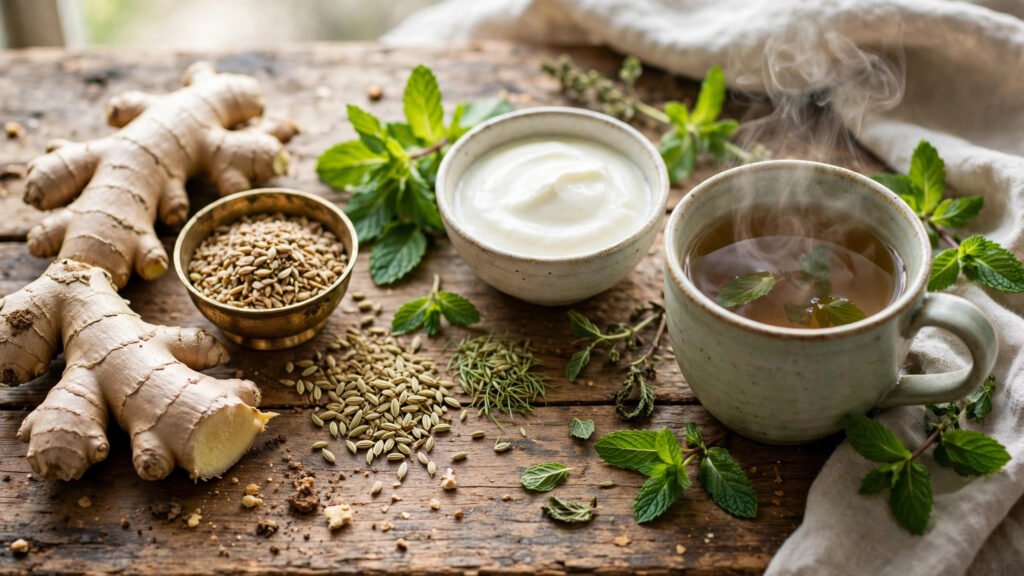
Ajwain is the first remedy most Pakistani households reach for. It helps release trapped gas and eases bloating and cramps. Take half a teaspoon of ajwain seeds with a pinch of black salt and a glass of lukewarm water, chewing the seeds slowly. Or make ajwain ka qehwa: boil a teaspoon of ajwain in a cup of water for five minutes, strain and sip warm. Use it once or twice a day, in small amounts.
2. Ginger Tea — For Nausea and Indigestion
Fresh ginger is one of the best natural aids for digestion. It helps the stomach empty faster, reduces nausea and calms cramps. Slice a small piece of fresh ginger, boil it in a cup of water for five to ten minutes, and add a little honey if you like. Sip it slowly while warm. Ginger tea is gentle enough for most people and works well after a rich or oily meal.
3. Yogurt (Dahi) — Cooling Relief for Acidity
Plain yogurt is a cooling, soothing food that calms acidity and supports healthy digestion. A small bowl of fresh dahi after a spicy meal can settle the stomach quickly. For better results, mix in a pinch of roasted cumin powder. Avoid flavoured or sweetened yogurt — plain, unsweetened dahi is best. People with frequent acidity can eat a small bowl with lunch daily.
4. Fennel Seeds (Saunf) — Gentle Relief After Meals
Saunf is the sweet-smelling seed served after meals in many Pakistani homes, and it is more than a mouth freshener. Chewing a teaspoon of fennel seeds after eating helps digestion, reduces gas and freshens the breath. You can also soak a teaspoon of seeds in a glass of water overnight and drink it in the morning. It is one of the mildest remedies here and is safe for children and older family members in small amounts.
5. Warm Water and Rest — The Simplest Remedy of All
Sometimes the best remedy is the simplest. Sipping warm water slowly relaxes the stomach muscles and helps trapped gas move through. Lie on your left side for twenty to thirty minutes, place a warm cloth or a hot water bottle wrapped in a towel on your belly, and rest. Many mild stomach aches pass within an hour or two with warm water and rest.
6. Mint (Pudina) — For Bloating and Heaviness
Fresh mint leaves calm the stomach and help with bloating. Crush a few leaves in a cup of hot water, let it sit for five minutes, strain and sip. You can also chew a few fresh leaves after a meal. Mint tea is especially helpful when you feel full and heavy after eating too much. If you do not have fresh mint, dried mint works too. Avoid very strong mint drinks if you suffer from severe acidity, as mint can worsen heartburn.
7. Cumin Water (Zeera Pani) — A Daily Digestive Habit
Roasted cumin is a staple of Pakistani cooking and a gentle digestive aid. Boil a teaspoon of cumin seeds in a cup of water, strain and drink it warm, or chew half a teaspoon of roasted cumin with a glass of water. Many families drink zeera pani in the morning as a daily habit. It is mild, easy to prepare and useful for regular gas and bloating. One cup a day is enough for most people.
8. Bananas and Plain Foods — Eating Right During Recovery
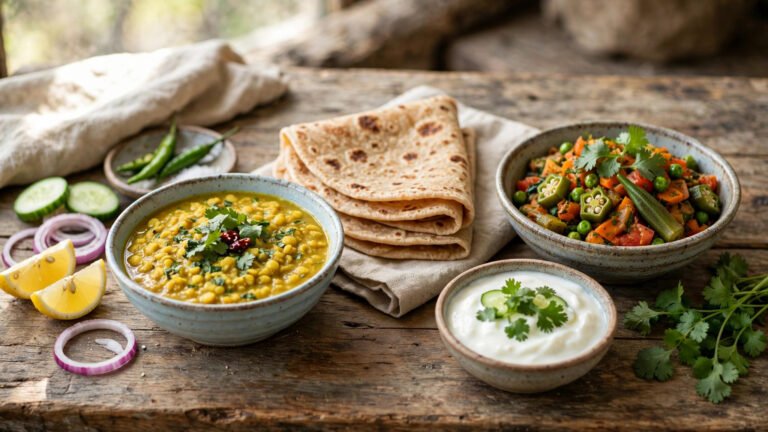
When your stomach is upset, what you eat matters as much as any remedy. Stick to soft, plain foods for a day: bananas, plain rice, yogurt, khichdi, toast and clear soups. Bananas are especially useful because they are gentle on the stomach and replace potassium lost during an upset stomach. Avoid spicy and fried food, tea, coffee and fizzy drinks until you feel fully better. Eat small portions and chew slowly.
What to Avoid When You Have Stomach Pain
Avoid painkillers on an empty stomach, as they can irritate the stomach lining. Avoid very cold water, fizzy drinks and smoking during pain. Do not try several strong remedies at once — pick one, give it time to work, and only then try another if needed.
When to See a Doctor
Home remedies are for mild, short-lived pain only. See a doctor promptly if the pain is severe, lasts more than a day or two, or keeps coming back. Seek help urgently if you notice vomiting blood, black stools, a high fever, severe diarrhoea, inability to keep water down, or pain so strong you cannot move comfortably. Children, pregnant women and older people should seek help sooner. This article is general information only, not a substitute for medical advice.
Frequently Asked Questions
What is the fastest home remedy for stomach pain?
Ajwain with lukewarm water is often fastest for gas pain, while warm ginger tea helps nausea and heaviness. For most people, relief comes within thirty minutes to an hour.
Can I drink milk for stomach pain?
Cold milk can soothe acidity for some people, but it can worsen gas and bloating for others. Plain yogurt is usually a safer choice than milk, especially after spicy food.
Is ajwain safe for children?
A very small amount of ajwain water is commonly given to children in Pakistani homes, but use a much smaller quantity than for adults and ask a doctor first if the child is very young.
How can I prevent stomach pain in daily life?
Eat slowly, avoid overeating at dawats, drink enough water, limit very spicy and fried foods, and chew saunf or drink zeera pani after heavy meals. Regular meal timings help too.
Conclusion
Mild stomach pain is a normal part of life, and Pakistani kitchens already hold most of the remedies you need — ajwain for gas, ginger for nausea, yogurt for acidity, and saunf and zeera for everyday digestion. Use one remedy at a time, rest, eat plain food, and drink warm water. But remember the most important rule: home remedies are for mild pain only. If the pain is severe, persistent or worrying, see a doctor without delay. Your health is worth more than any totka.