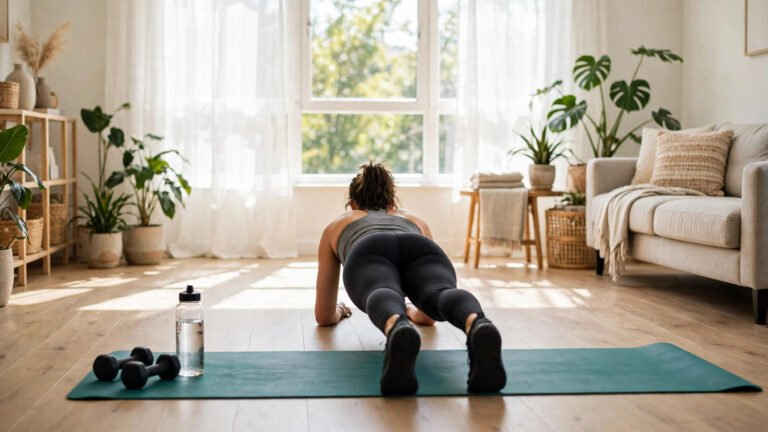
You finished a good workout. Your muscles feel tired, and you feel proud — and a little sore. What you do in the hours after exercise matters just as much as the workout itself. Recovery is when your body repairs muscle, restores energy and gets ready for the next session. This guide shares simple, practical recovery tips that work in Pakistan, using everyday food, habits and routines.
Why Recovery Matters
Exercise creates small stresses in the body. Muscles work hard, you sweat, and your energy stores run low. Recovery gives the body time to repair and rebuild. Without enough rest, food and sleep, soreness can linger, performance can drop, and the risk of minor injuries can rise. Good recovery does not need expensive products. It comes down to cooling down, drinking enough water, eating a balanced meal, sleeping properly, and giving muscles a rest day.
Cool Down and Stretch After Every Workout
A cool-down helps your body move gently from exercise back to rest. Spend five to ten minutes walking slowly, then stretch the muscles you used. If you trained legs, stretch your thighs, calves and hips. If you trained upper body, stretch your shoulders, chest and arms. Hold each stretch for about 20 to 30 seconds, breathe normally, and never force a stretch into pain. Light movement on rest days also helps: a short walk keeps blood flowing and can reduce stiffness the day after a hard session.
Hydration: Drink Enough Water in Pakistan’s Climate
Pakistan’s climate makes hydration especially important. In hot weather, you sweat more, and in winter, many people forget to drink because they do not feel as thirsty. Aim to sip water before, during and after exercise, rather than drinking a large amount all at once. After a workout, drink water slowly over the next hour or two. If you sweated a lot, a glass of lassi can help, along with a normal balanced meal. Avoid very sweet fizzy drinks for recovery — water remains the simplest choice.
Desi Recovery Foods: Simple, Affordable and Effective
You do not need imported protein powders or fancy recovery shakes to recover well. Pakistani kitchens already have excellent recovery foods. After a workout, your body benefits from a mix of protein and carbohydrates, plus some vegetables or fruit. Protein helps repair muscle, while carbohydrates help restore energy.
Eggs — Boiled eggs or an omelette with roti make a quick, affordable meal. Daal and chana — Lentils and chickpeas are rich in protein and fibre, and pair well with rice or roti. Chicken and fish — Grilled chicken or fish provide protein without being too heavy. Yoghurt and lassi — Dahi and lassi provide protein, fluids and calcium. Milk — A glass of milk after training adds protein and fluids. Bananas and seasonal fruit — These provide natural carbohydrates and vitamins. Nuts and seeds — A small handful adds healthy fats and energy. Roti, rice and potatoes — These provide the carbohydrates your body uses for energy.
Try to eat within a couple of hours after training. A light snack soon after, followed by a proper meal, works well for most people.
Sleep: The Most Underrated Recovery Tool
Sleep is where much of the body’s repair happens. During deep sleep, muscles recover, energy is restored, and the mind resets. People who sleep poorly often feel more sore, more tired and less motivated to train. Most adults benefit from around seven to nine hours of sleep a night. Try to keep a regular sleep time, even on weekends. Keep your room cool and dark, avoid bright screens for the last 30 minutes before sleep if you can, and avoid heavy meals or strong tea very late at night.
Rest Days: Why Doing Less Helps You Gain More
Rest days are not wasted days. Muscles grow stronger during recovery, not only during the workout. Training the same muscles hard every day without a break can lead to constant soreness, low energy and slower progress. Most people do well with one or two rest days a week. On a rest day, you can still walk, stretch or do light activity. If you feel unusually tired or sore for more than two or three days, a rest day is often the right choice.
Signs You May Be Overtraining
Pushing yourself is part of fitness, but pushing too hard for too long can backfire. Watch for these common signs: soreness that does not ease after a few days; feeling tired even after a full night’s sleep; falling performance; frequent headaches, irritability or low mood; trouble sleeping; and feeling run down more often. If you notice several of these signs, ease back and take an extra rest day. If symptoms continue, speak to a doctor or a qualified health professional. This guide shares general information only, and it is not a substitute for medical advice.
A Simple Home Recovery Routine
You do not need a gym or special equipment to recover well. Try this simple routine after your next workout. First, walk slowly for five minutes and breathe deeply. Next, stretch for five to ten minutes. Then drink water slowly, and have a glass of lassi or milk if you like. Eat a balanced meal: a protein food, a carbohydrate such as roti or rice, and some vegetables or fruit. Take a lukewarm shower, rest, and sleep well.
Frequently Asked Questions
How long does muscle soreness last after a workout?
Mild soreness for one to two days after a new or harder workout is common, especially when you start training or try a new exercise. It should ease with light movement, rest and good sleep. If soreness is severe or lasts much longer, take extra rest.
Should I eat before or after a workout?
Both can help, depending on timing. A light snack an hour or two before training gives you energy, and a balanced meal after training helps recovery. Avoid a heavy meal straight before exercise, as it can feel uncomfortable.
Is it okay to train every day?
Light activity every day is fine, but intense training every day without rest can lead to fatigue and slower progress. Most people benefit from one or two rest days a week, with lighter movement on those days.
Do I need supplements to recover?
Most people recover well with balanced food, water and sleep. Supplements are not essential for general fitness. If you are considering them, speak to a qualified health professional first, especially if you have any health condition.
Conclusion
Recovery is simple when you focus on the basics: cool down, stretch, drink enough water, eat a balanced desi meal, sleep well, and take rest days. You do not need expensive products or complicated plans — just consistent habits that fit your life in Pakistan. Treat recovery as part of your training, listen to your body, and give it the time it needs to rebuild. Do that, and your workouts will feel better, your energy will stay higher, and your fitness will keep improving week after week.