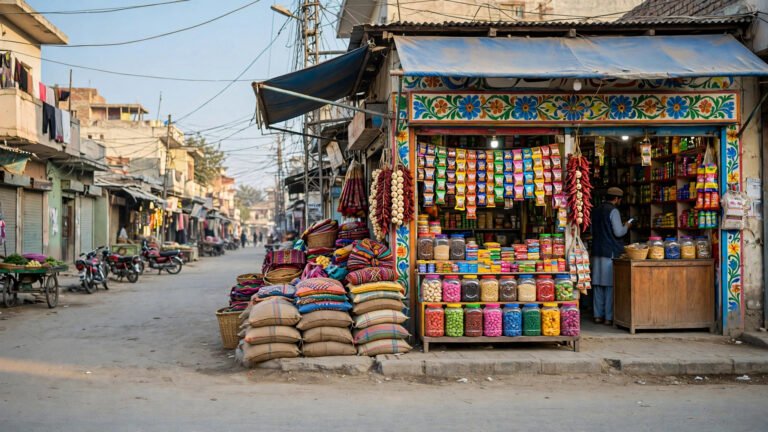
A small grocery store, often called a karyana store, is one of the most practical small businesses in Pakistan. Every neighbourhood needs daily essentials such as flour, rice, pulses, cooking oil, tea, sugar, soap and snacks. Customers visit several times a week, so a well-stocked, fairly priced shop can build steady footfall. Opening a store does not need a large team, but it does need planning. Many new shopkeepers struggle in the first months not because there is no demand, but because they pick the wrong location, overstock slow items, or give too much credit without records. This guide covers the basics in simple steps.
Choosing the Right Location
Location matters more than shop size. A small shop on a busy street near homes will usually do better than a large shop in a quiet lane. Look for a place close to houses, flats, hostels, schools or offices. People prefer a store they can reach on foot for daily items. A corner shop or a shop near a street entrance often gets more walk-in customers. Before signing a rent agreement, visit at different times of day. Notice morning and evening foot traffic and how many stores already serve the same street. If several established stores cover a small street, try a nearby street with fewer options. Also check electricity, water, storage space, and the shutter and floor.
How Much Does It Cost to Start?
Starting cost depends on city, shop size and stock level. As a rough guide only, not a guarantee, a small neighbourhood store is often started with a modest budget covering rent advance, basic fixtures and initial stock. Rent advance and security vary widely by area, and are usually higher in busy city markets than in smaller towns. Fixtures include shelves, a counter, a weighing scale, storage bins, a fridge for cold drinks and dairy items, and a cash drawer. Initial stock is usually the largest expense. Start with fast-moving daily items rather than filling every shelf on day one. Keep a small reserve for the first month’s rent and bills, because sales take time to stabilise. Avoid heavy borrowing at the start: a smaller, well-managed shop is safer than a large shop loaded with debt.
What to Stock First
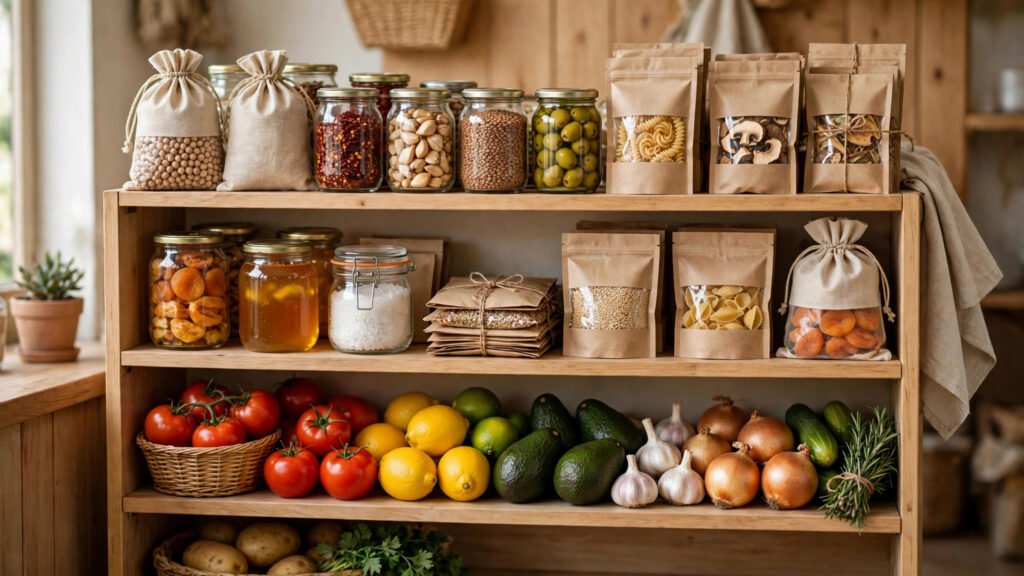
Your first stock list should focus on items people buy every week, including atta, rice, pulses, sugar and salt, cooking oil and ghee, tea, milk powder and biscuits, spices, soap, detergent and shampoo, toothpaste, tissue and basic household items, plus snacks, cold drinks, eggs and bread. Add local favourites based on your area. A shop near a school may sell more snacks, while a residential area may need more cooking essentials. Do not fill shelves with luxury items at first. Watch what sells in the first few weeks and adjust your list. Check expiry dates regularly and place near-expiry items at the front.
Finding Suppliers and Wholesale Markets
Most shopkeepers buy from wholesale markets, distributors or company sales representatives. Wholesale markets in larger cities often offer competitive rates, while distributors may deliver branded items directly to your shop. Compare prices from at least two or three suppliers before settling on regular ones. Ask about delivery timing, minimum order size, returns for damaged goods, and bulk discounts. Build a good relationship with one or two reliable suppliers rather than changing supplier every week. For unbranded pulses, rice and spices, prices vary by quality and season, so check quality before buying in bulk. Keep supplier bills safe.
Pricing for a Fair Profit
Check market prices in nearby shops and set your prices close to them. Overpricing drives customers away, while underpricing eats your profit. Keep a simple purchase register showing what each item cost you, so you can set selling prices and notice when supplier prices rise. Staples sell steadily but often with thinner margins, while snacks and cold drinks sell on volume. A mix of both keeps daily sales healthy. Offer correct weighing and honest billing.
Managing Credit and Khata
Credit, commonly called khata, is one of the biggest risks for new stores. Many regular customers will ask to take goods now and pay at month end. Set a clear rule from day one: allow limited credit only to known, regular customers who pay on time. Fix a maximum credit limit per customer and a clear payment date, such as the first week of the month. Write every credit entry in a khata register with the date, items, amount and customer name. Avoid large credit for new or irregular customers. If a balance keeps growing without payment, pause further credit politely until the old amount is cleared. Good credit control protects your cash flow.
Daily Record-Keeping, Cleanliness and Delivery
At the end of each day, note total sales, cash received, credit given, expenses and stock purchased. Even a basic notebook works well if used consistently. Count cash daily and keep shop money separate from household money. Review records weekly to spot best sellers and slow stock. A clean, well-lit shop builds trust. Sweep daily, keep shelves dust-free, store food away from the floor, and keep the entrance clear. Greet regular customers and handle complaints calmly. Home delivery is a useful extra service. Start with phone or WhatsApp orders for nearby houses, within a small radius, so it does not disturb shop hours. Set a minimum order or small delivery fee if needed.
Common Mistakes to Avoid
Overstocking slow items ties up cash. Giving unlimited credit drains working capital. Ignoring expiry dates causes losses and harms reputation. Keeping no records makes it impossible to know if the shop is profitable. Do not copy a large store’s full range. A small shop needs the right items for its own street, kept in stock and served well. Plan sustainable timings, with help during peak hours if needed.
Frequently Asked Questions
Is a small grocery store profitable in Pakistan?
It can be, if location, pricing and credit control are managed well. Profit depends on daily sales, supplier prices, rent and expenses, so results vary by area. Steady demand for daily essentials is its main advantage.
How much space do I need?
A modest space can work if shelves and storage are organised well. Location, visibility and easy access matter more than size. A back room or upper shelf space for extra stock is very helpful.
Should I give credit to customers?
Limited credit to trusted regular customers is common, but it must be recorded and capped. Avoid open-ended credit in the early months when cash flow is tight, and set clear payment dates.
Do I need a licence to open a grocery store?
Requirements can vary by city and shop type, so check with your local municipal or trade office before opening. Keep business records, supplier bills and any registration documents safe.
Conclusion
Opening a small grocery store in Pakistan suits someone willing to work daily, manage stock carefully and treat customers fairly. Choose a good location, start with essential stock, compare suppliers, price honestly, control credit and keep simple daily records. Start small, learn from your first months, and expand only when sales and cash flow support it.