Many people in Pakistan want to lose weight but cannot join a gym, go for long runs, or follow a strict workout plan. Work, study, family duties, joint pain, a busy schedule or simply a lack of interest in exercise can all make formal workouts difficult. The good news is that weight loss does not depend on exercise alone. What you eat, how much you eat, how you sleep, and how you move through your normal day can make a real difference. This guide explains practical ways to lose weight without exercise, using food and habits that fit Pakistani life. This is general information, not medical advice; talk to a doctor before changing your diet if you have a health condition.
Why Weight Loss Is Possible Without Exercise
Weight loss happens when you use more energy than you take in from food and drinks over time. Exercise helps you burn energy, but food choices often have a bigger effect because it is easier to eat extra calories than to burn them off. One extra paratha with ghee, a large plate of biryani, or two glasses of sweetened lassi can add more calories than a short walk burns. That is why portion control and food choices matter so much. You do not need a perfect diet. Small, steady changes that you can keep for months are more useful than a strict plan you follow for one week and then abandon.
Start With Portion Control, Not a Crash Diet
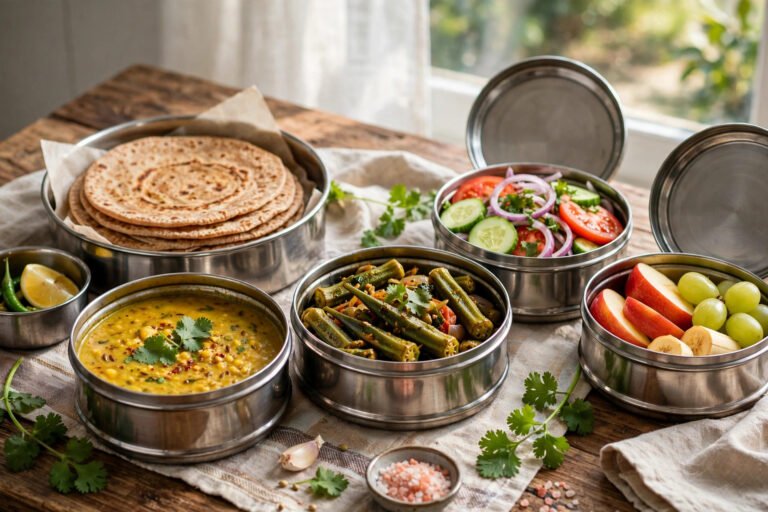
Crash diets promise fast results, but they are hard to follow and often lead to weakness, cravings and weight gain later. A better approach is to eat normal Pakistani food in smaller, more mindful portions. Use a smaller plate: fill half with sabzi or salad, one quarter with protein such as daal, chicken, egg or yoghurt, and one quarter with roti or rice. Eat one roti instead of two or three. Many people eat extra rotis out of habit, even after they feel full. Try starting with one medium roti, eating slowly, and waiting a few minutes before deciding if you need more. If you usually eat rice, try a smaller serving. Eat slowly, because it takes time for your stomach to signal fullness, and stop when you feel about 80 percent full.
Make Smart Desi Food Swaps
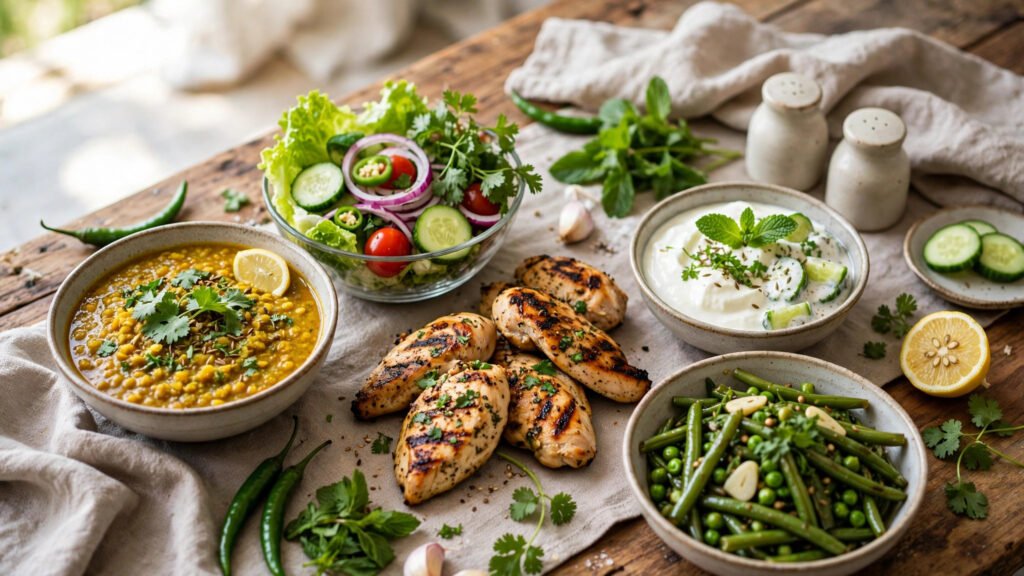
You do not need to give up Pakistani food to lose weight. You need to choose lighter versions more often and enjoy richer dishes in smaller amounts. Daal, sabzi, grilled chicken, fish, boiled eggs and plain yoghurt are filling and nutritious, and they help you stay full for longer. Try to include a protein food at every meal, such as daal, chana, egg, chicken, fish, yoghurt or milk. Reduce ghee, oil and fried foods, which add a lot of calories in small amounts. Cook with a measured amount of oil, and choose grilled, baked, steamed or lightly cooked food more often than fried food. Samosas, pakoras and parathas with extra ghee are best kept as occasional treats. Be careful with rice, bread and sweet dishes too: choose whole wheat roti over naan, mix white rice with vegetables sometimes, and keep desserts for special occasions.
Cut Sugary Drinks and Chai Sugar
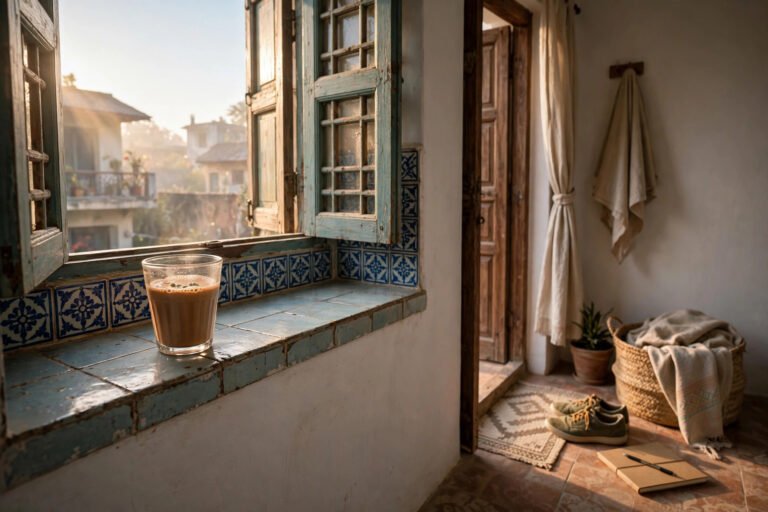
Drinks are one of the easiest places to save calories because they do not make you feel full. Many people in Pakistan drink several cups of chai every day, and if each cup has two teaspoons of sugar, that adds up quickly. Try reducing sugar gradually — from two teaspoons to one, then to half a teaspoon. Your taste buds will adjust over a few weeks. If you drink doodh patti, consider a lighter version with less milk and sugar, or switch one cup a day to green tea or plain water. Avoid soft drinks, packaged juices, sweetened lassi and energy drinks, which contain a lot of sugar. Water is the best choice: keep a bottle nearby and drink water before meals.
Eat More Vegetables, Fruit and Fibre
Vegetables and fruit add volume to your meals without adding many calories, and they provide fibre, which helps digestion and keeps you full. Add salad to lunch and dinner — cucumber, tomato, onion, carrot and lemon are cheap and easy options in Pakistan. Add extra sabzi to your salan, and keep fruit at home for snacks. Good everyday choices include apples, oranges, guava and seasonal fruit, with bananas in moderation. Dry fruit such as almonds and walnuts is healthy, but it is high in calories, so keep portions small. Fibre from daal, chana, vegetables and whole wheat roti also helps you feel satisfied. If you increase fibre, drink enough water and increase it gradually to avoid stomach discomfort.
Sleep, Stress and Daily Movement
Poor sleep and stress can increase hunger and cravings, especially for sweet and fried foods. Try to sleep seven to eight hours a night and keep a regular sleep time. People who sleep too little often feel hungrier the next day and choose heavier foods. Avoid heavy meals, chai and screen time late at night if they disturb your sleep. If you feel like snacking when you are not hungry, pause and ask whether you are thirsty, tired, bored or stressed. You do not need a gym to move more: walk to a nearby shop, use stairs instead of a lift, and walk for 10 minutes after lunch and dinner. Even 20 to 30 minutes of walking spread through the day is useful.
Frequently Asked Questions
Can I lose weight without exercise in Pakistan?
Yes. Improve your diet, control portions, cut sugary drinks, sleep better and move more in daily life.
What is the best Pakistani diet for weight loss?
A balanced desi diet with daal, sabzi, grilled chicken or fish, yoghurt, fruit, salad and whole wheat roti, in moderate portions.
How much weight can I lose in a month?
Healthy weight loss is slow and steady — a small, gradual loss over several weeks. Your doctor can help set a safe target.
Should I stop eating roti and rice completely?
No. The key is portion size and balance: one roti with plenty of sabzi and protein is very different from three rotis with a rich, oily salan.
Conclusion
Losing weight without exercise in Pakistan is possible when you focus on the basics: smaller portions, smarter desi food choices, less sugar in chai and drinks, more vegetables and protein, regular sleep, and more movement in your normal day. You do not need expensive food, a gym membership or a perfect plan. Start with one or two changes — one roti instead of two, less sugar in chai, and a short walk after dinner — and build from there.