Introduction
For many people in Pakistan, cooking is more than a daily chore; it is a skill that friends and family already praise. Turning that skill into a home-based food business is an appealing idea: you work from your own kitchen, set your own hours, and build something around food you love making. From homemade pickles and frozen parathas to baked goods, lunch boxes, and traditional sweets, small food businesses are growing in cities and towns across the country.
Starting well matters more than starting big. A home food business needs planning, honest budgeting, attention to hygiene, and a clear understanding of local rules. This guide explains the practical steps in plain language. Rules and fees can change and vary by city and province, so always confirm current requirements with the relevant local authority before you begin. This article does not state specific licence fees, because those depend on your location and business type.
Start With a Clear Idea and a Simple Plan
Before buying equipment or announcing your business, decide exactly what you will sell. A focused menu is easier to manage than a long one. Choose a small range of items you can cook consistently and well: perhaps two or three signature dishes, a baked item, or a single product line such as frozen snacks or homemade sauces. A clear speciality also makes marketing easier, because customers remember you for something specific.
Understand Costs Before You Set Prices
Many home food businesses struggle because prices are set by guesswork. Start by listing your costs honestly. Ingredient costs are the most obvious, but they are not the only expense. Packaging, delivery, gas or electricity, cooking oil, cleaning supplies, and your own time all count. If you use a rider or delivery service, include that cost as well.
Work out the cost of one portion or one pack, then add a margin for your labour and a small amount for unexpected expenses, such as price rises in ingredients. Your final price should cover costs and leave a reasonable profit; otherwise the business cannot sustain itself, no matter how good the food tastes. Compare your prices with similar sellers in your area, but do not copy them blindly — a seller with lower costs or different quality may price differently, and undercutting everyone often leads to losses.
Check Licences, Registration, and Food Safety Rules
This is the step many beginners skip, and it is one of the most important. Food businesses in Pakistan are subject to food safety and registration requirements that vary by province and city. Depending on where you live and what you sell, you may need to register your business, obtain a food safety licence or registration from the relevant provincial food authority, and follow hygiene standards for preparation, storage, and packaging.
Because rules, categories, and fees differ and change over time, this guide deliberately does not list specific licence fees or claim a single national procedure. Instead, check with your provincial food authority and your local municipal or district office for the current requirements that apply to home-based food sellers in your area. Ask what category your business falls into, what documents are needed, and what inspections, if any, apply. Keep any registration documents safely and renew them on time. If you plan to sell packaged food beyond your neighbourhood, such as through shops or online delivery across cities, additional labelling and registration requirements may apply, so check these before expanding rather than after taking large orders.
Set Up Your Kitchen and Packaging
A home kitchen can work well for a small food business, but it needs organisation. Separate business ingredients and finished products from everyday household food where possible, and keep preparation surfaces clean. Store raw and cooked foods separately, use clean, covered containers, and label items with preparation dates. Good storage reduces waste and protects quality.
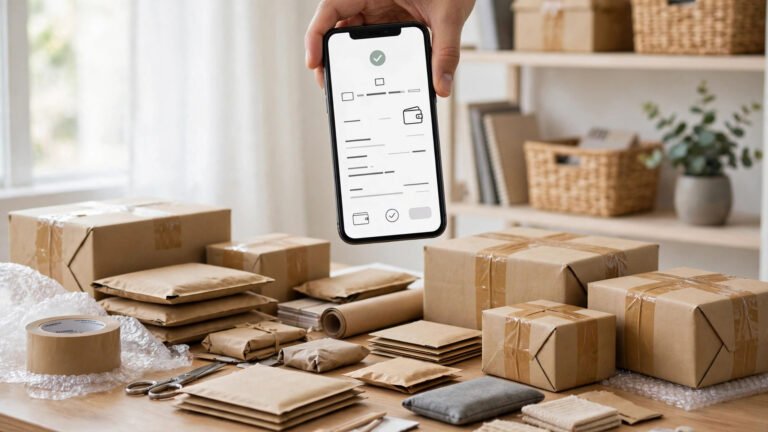
Basic equipment depends on your products, but most home food sellers need reliable cooking tools, food-grade containers, packaging materials, and a way to keep food at safe temperatures during storage and delivery. Hygiene is your reputation. Wash hands thoroughly, tie back hair, use clean utensils, and avoid cooking when unwell. Customers may never see your kitchen, but they will notice freshness, taste, and consistency.
How to Find Your First Customers
Your first customers are often people who already know your cooking: family, friends, neighbours, and colleagues. Let them try your products honestly and ask for feedback, not only praise. Early feedback helps you adjust taste, portion size, and packaging before you sell more widely.
Social media is a practical, low-cost way to reach local customers. Create a simple page for your business, post clear photos of your food, share your menu and prices, and state your delivery areas and timings honestly. WhatsApp groups, neighbourhood communities, and local Facebook groups can also bring early orders, provided you follow group rules and avoid excessive promotion. Word of mouth remains powerful: a customer who enjoys your food and trusts your hygiene is likely to recommend you to others. Encourage satisfied customers to share their experience, and respond politely and promptly to enquiries and complaints. How you handle a late delivery or a mistaken order often matters more for loyalty than the mistake itself.
Frequently Asked Questions
Do I need a licence to sell homemade food in Pakistan?
Food selling is regulated, and requirements vary by province, city, and product type. You should check with your provincial food authority and local office for the current registration or licensing requirements that apply to home-based sellers in your area before starting regular sales.
How much money do I need to start?
Starting costs vary widely depending on your products and what equipment you already own. Many sellers start small, using an existing kitchen and buying packaging and ingredients as orders come in. A simple budget listing ingredients, packaging, delivery, and utilities will give you a realistic figure for your own situation.
What sells well from a home kitchen?
Everyday items with steady demand often work best: baked goods, frozen snacks, lunch boxes, pickles, sauces, and traditional sweets. Choose items you cook well and consistently, and test them with a small group before offering them widely.
Conclusion
A home-based food business in Pakistan can be a rewarding way to turn cooking skill into income, but it rewards preparation as much as talent. Choose a focused menu, price your products honestly, check current local food-safety and registration rules, and build trust through hygiene, clear packaging, and reliable service. Start small, listen to your first customers, and grow only as fast as quality allows. With patience and consistent effort, a kitchen hobby can gradually become a dependable small business.