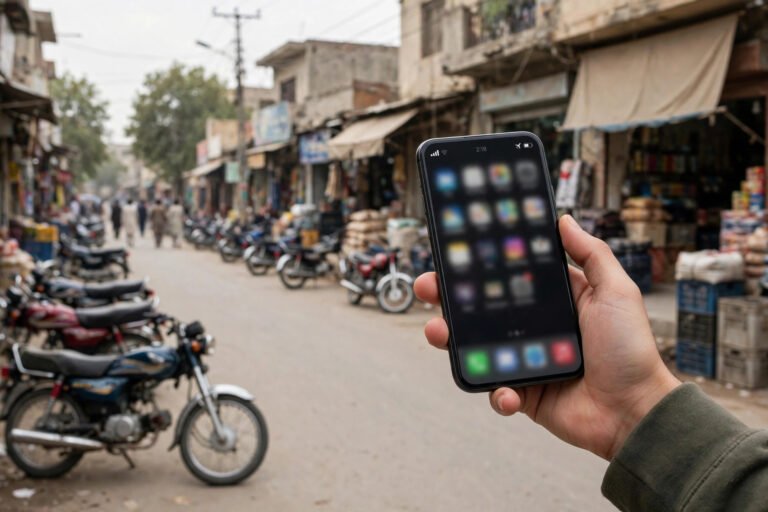
A screenshot claiming a flagship phone is launching in Pakistan next week. A post announcing a popular app is being banned. A video promising a free phone for sharing a link. Tech rumours spread fast on WhatsApp, Facebook, TikTok and YouTube in Pakistan, and many of them turn out to be invented, exaggerated or recycled from old news.
Falling for a rumour is not a sign of carelessness. These posts are designed to look convincing. The good news is that a few simple checks, applied before you share, will catch most of them.
Why Fake Tech News Spreads So Easily
Tech news travels quickly because people care about it. A new phone launch, a price drop or a change to a popular app affects daily life, so readers share without pausing. Rumour creators know this. They use exciting headlines, familiar brand logos and urgent language such as "breaking" or "confirmed" to trigger instant sharing.
In Pakistan, rumours often gain extra speed through forwarded WhatsApp messages and short video clips.
Check the Source Before You Believe the Claim
The single most useful habit is checking where a story comes from. A genuine tech announcement usually appears on the company’s own website, its verified social media account, or in established technology publications. If a dramatic claim appears only on an unknown page, a random video channel or a forwarded message with no link, treat it with suspicion.
Look closely at the account sharing the news. Does it have a history of accurate reporting, or does it post sensational claims daily? Are its posts copied from elsewhere without credit? Does its page name imitate a real news brand with a small spelling change? Impersonator pages are common, and a quick look at the page history often reveals the trick.
Be especially careful with screenshots. A screenshot of a supposed news article or official notice proves nothing on its own, because screenshots are easy to edit. Search for the same headline in your own browser and see whether any credible outlet reports it.
Question Prices, Launches and Bans
Certain kinds of tech claims deserve extra scepticism. Phone launch dates in Pakistan are a classic example. International launches, local availability and official pricing are often different things, and a phone announced abroad may arrive locally much later or not at all. If a post claims an exact Pakistani launch date and price but no retailer, brand page or reputable publication confirms it, wait before believing it.
Claims about apps being banned or services shutting down are another red flag. Such decisions are usually covered widely and announced through official channels. A single viral post is rarely the first reliable report of a major ban.
Free phone offers, giveaways and prize claims should also raise suspicion. Legitimate brands do run promotions, but they do so through their own verified channels with clear terms. A post asking you to share a link, join a group or enter personal details to claim a phone is far more likely to be a scam than a genuine offer.
Verify With a Quick Search
Verification does not need to take long. A two-minute search can settle most rumours. Search for the claim using different wording and see whether credible sources agree. If only the same copied text appears on low-quality sites, that is itself a warning sign.
Check dates carefully. Many viral posts reuse old articles, old prices or old announcements. Look for the original publication date, not just the date someone shared it.
Reverse image search is useful for photos and screenshots. If an image supposedly showing a new phone or a damaged device has been used before in unrelated stories, the claim attached to it is unreliable. On video platforms, read the comments critically too: other viewers often point out errors, though comments themselves should never be your only source.
Think Before You Share
Sharing is where rumours do their damage. Before forwarding tech news, ask yourself three questions. Is the source credible? Is the claim confirmed elsewhere? Would I be embarrassed if this turned out to be false? If the answer to any of these is uncertain, do not share yet.
This matters most in family and community groups, where a forwarded message from a trusted relative carries extra weight. A gentle correction helps more than an argument. If you later discover you shared something false, say so plainly in the same group. Correcting your own mistake builds trust and slows the rumour down.
Parents and older relatives are often targeted with tech scare stories, such as claims that a phone update will delete all data or that an app is stealing money. Explaining the simple checks in this guide, patiently and without mockery, helps the whole family become harder to fool.
Practical Tips for Spotting Fakes
- Beware of headlines in all capital letters, excessive exclamation marks or urgent warnings.
- Check whether the brand’s own website or verified account confirms the news.
- Compare the claim across several independent, reputable sources before trusting it.
- Watch for old stories reposted as new, and always check the original date.
- Never enter personal details or share a link to claim a supposedly free phone.
Frequently Asked Questions
How can I tell if a phone launch rumour is real?
Real launches are confirmed by the brand itself or by reputable technology publications, with consistent dates and details. A single viral post without such confirmation is only a rumour.
Are screenshots of news articles reliable?
Not on their own. Screenshots can be edited easily, so always search for the original article on the publisher’s own website before trusting one.
Why do old tech stories keep going viral again?
Old stories are often reposted with new captions, or shared by people who did not check the date. Checking the original publication date quickly exposes most recycled stories.
What should I do if I already shared fake tech news?
Correct it in the same place you shared it, briefly and without embarrassment. A simple correction stops the rumour from travelling further through your contacts.
Conclusion
Spotting fake tech news in Pakistan comes down to one habit: pause before you share. Check the source, look for independent confirmation, question dramatic prices and launch dates, and treat screenshots with caution. These small steps take minutes, but they protect your contacts, your money and your own credibility. In a feed full of rumours, the person who verifies before sharing is doing everyone a favour.