Feeling tired, weak, or out of breath after small tasks is common, and low iron is one of the frequent nutritional reasons behind it, especially for women and growing teenagers. The good news is that Pakistani kitchens already contain many excellent iron-rich foods. You do not need expensive imported supplements or fancy health foods. This guide explains the best desi iron-rich options, how to combine them for better absorption, and when to see a doctor instead of relying on diet alone. Note: This article is general nutrition information, not medical advice. If you feel persistently tired, dizzy, or unwell, see a doctor and get tested rather than guessing.
Why Iron Matters So Much
Iron helps your blood carry oxygen around your body. When iron is low, less oxygen reaches your muscles and brain, which can leave you feeling tired, weak, and unable to concentrate. Low iron can also cause pale skin, headaches, hair shedding, and getting tired quickly during exercise. Women lose iron monthly, growing children need extra iron, and people who eat little or no meat need to plan their iron intake more carefully. A blood test is the only reliable way to know if you are iron deficient. Do not start iron supplements on your own, because too much iron can also be harmful. Food, on the other hand, is a safe first step for almost everyone, and improving your daily diet often makes a real difference over a few months.
Best Desi Plant Sources of Iron
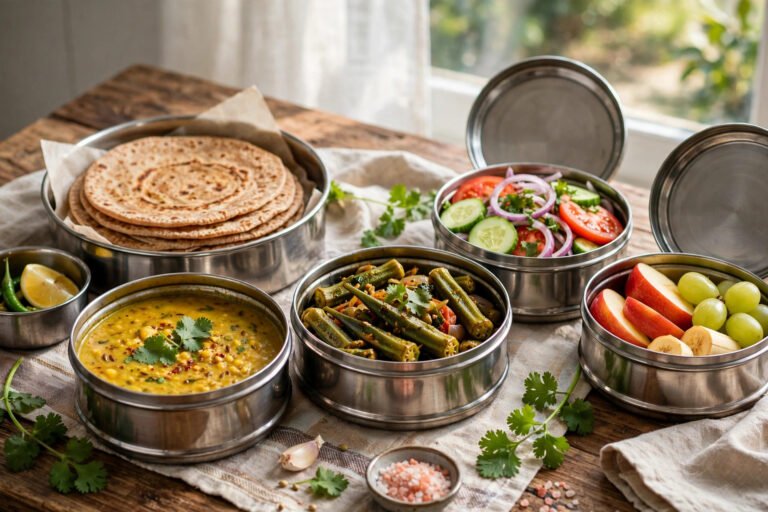
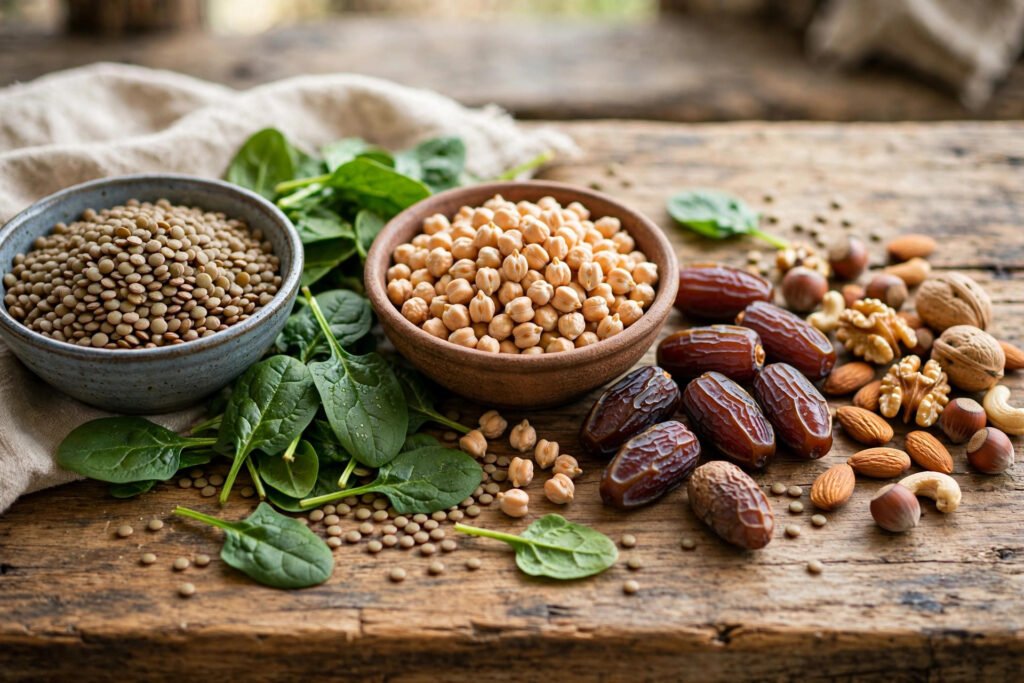
Lentils and pulses are the backbone of iron-rich desi eating. Masoor daal, chana daal, lobia, rajma, and chickpeas all provide useful iron along with protein and fibre. A bowl of daal with roti at lunch is one of the simplest iron-rich meals in Pakistan. Soaking dried pulses overnight and cooking them well also improves digestion. Leafy greens are another star. Palak, saag, methi, and bathua are rich in iron and very affordable in season. Palak paneer, saag with makai ki roti, or palak mixed into daal are all easy ways to eat greens regularly. Other helpful plant foods include fortified wheat flour (chakki atta), jaggery (gur) in small amounts, sesame seeds (til), pumpkin seeds, peanuts, and dried fruits such as dates, raisins, and dried apricots, which make good snacks.
Animal Sources: The Most Easily Absorbed Iron
Iron from animal foods is absorbed more easily by the body than iron from plants. Red meat such as mutton and beef is the richest source, but it does not need to be eaten daily. Even two or three moderate servings a week can help, especially when combined with plant sources. Liver (kaleji) is extremely rich in iron, though it is also high in cholesterol, so it suits occasional eating rather than daily meals. Chicken and fish provide smaller amounts of iron but are still useful, and eggs contribute modest iron along with high-quality protein. For families on a budget, eggs and daal together make an affordable, protein-rich, iron-supporting meal that works for breakfast or dinner.
The Vitamin C Trick: Absorb More Iron From the Same Food
Your body absorbs plant iron poorly on its own, but vitamin C changes that dramatically. Pairing iron-rich foods with vitamin C foods in the same meal can double or triple absorption. This is easy in desi cooking: squeeze lemon over daal or palak, eat a salad with tomato and onion alongside your meal, drink a glass of fresh orange or kinnow juice with lunch, or add guava, amla, or capsicum to your plate. Tea and coffee, on the other hand, reduce iron absorption when drunk with meals, because their tannins bind iron. If you love chai, enjoy it between meals rather than immediately with your daal or meat. Waiting an hour or two after eating before drinking tea is a small change with a real benefit, especially for people with low iron.
A Simple Iron-Rich Daily Plan
Breakfast could be eggs with roti and a glass of fresh juice, or porridge with dates and nuts. Lunch might be masoor daal or chana with roti, a tomato-onion salad, and lemon squeezed on top. An evening snack of roasted chana, peanuts, or dates keeps energy up. Dinner could be palak paneer or saag with roti, or chicken or mutton curry a few times a week with salad. The key is regularity, not perfection. One iron-rich meal will not fix low iron, but a pattern of iron-rich meals over weeks and months will. Keep portions sensible, avoid overcooking greens until they lose colour, and vary your pulses and vegetables through the week so you do not get bored.
Mistakes That Keep Iron Low
The most common mistake is drinking strong tea with every meal, which blocks much of the iron in that meal. Another is relying on a single food, such as spinach alone, while ignoring the rest of the diet. Crash dieting and skipping meals also reduce iron intake sharply, especially for young women trying to lose weight quickly. Be careful with self-medication too. Iron tablets can cause stomach problems and can hide the real cause of tiredness, such as thyroid problems, blood loss, or other deficiencies. If tiredness persists despite a good diet for two or three months, or if you have symptoms such as dizziness, chest pain, or very pale skin, see a doctor promptly for proper testing.
FAQ
Which Pakistani food has the most iron?
Liver has the most iron per serving, followed by red meat. Among everyday plant foods, lentils, chickpeas, palak, and saag are the most practical rich sources, especially when eaten with vitamin C foods.
Can vegetarians get enough iron in Pakistan?
Yes, with planning. Regular daal, pulses, leafy greens, fortified atta, nuts, and seeds, combined with lemon, tomato, or citrus fruit at meals, can provide good iron. Vegetarians should be extra careful about tea timing and variety.
Does drinking tea really affect iron absorption?
Yes. Tea and coffee drunk with meals can significantly reduce iron absorption from that meal. Enjoy chai between meals instead, ideally an hour or two after eating.
How long does diet take to improve low iron?
Dietary improvement is gradual. With consistent iron-rich meals, many people notice better energy over several weeks to a few months, but confirmed deficiency usually needs medical assessment and follow-up testing.
Conclusion
You do not need imported health foods to improve your iron intake in Pakistan. Daal, chana, palak, saag, fortified atta, eggs, and occasional red meat, combined with lemon, tomato, or citrus fruit at the same meal, form a powerful and affordable iron-rich diet. Keep chai between meals, eat iron-rich foods regularly rather than occasionally, and see a doctor if tiredness persists. Small daily choices, repeated for months, are what truly rebuild energy.