Dandruff is common, embarrassing and surprisingly stubborn: white flakes on dark clothes, an itchy scalp, and the worry that others have noticed. Many people in Pakistan deal with this, especially in winter when the air is dry, or in summer when heat, humidity and sweating irritate the scalp. Mild dandruff often improves with consistent, gentle home care. The key word is consistent: no single remedy works overnight, and harsh treatments usually make things worse.
What Causes Dandruff?
Dandruff happens when the scalp sheds skin cells faster than usual, producing visible flakes. Dry skin is a common cause, especially in winter or in areas with hard water. An oily scalp can also cause dandruff, because scalp oils feed a common yeast that lives on everyone’s skin; when it overgrows, it irritates the scalp and speeds up shedding. Sensitivity to hair products, infrequent washing, stress and cold weather can all make it worse. Your own pattern helps guide care. If your scalp feels dry and tight and flakes are small and dry, dryness is likely the main factor. If flakes are larger, yellowish and oily, oiliness and irritation may play a bigger role. Many people have a mix of both: moisturising helps dryness, gentle cleansing helps oiliness, and soothing care helps irritation.
A Safety Note Before You Start
Home remedies are for mild, everyday dandruff. They are not a substitute for medical treatment, and no home remedy can guarantee results. Always patch-test a new remedy first: apply a small amount to a small area of skin, such as behind the ear, wait 24 hours, and check for redness or itching before using it on your whole scalp. Stop immediately if a remedy causes burning, increased redness or swelling. See a dermatologist promptly if dandruff is severe, persistent despite several weeks of consistent home care, or accompanied by intense itching, red and inflamed patches, hair loss, sores, crusting, or flakes spreading to the eyebrows, ears or face. These can be signs of conditions such as seborrhoeic dermatitis, psoriasis or a fungal infection, which need proper diagnosis and treatment. This is especially important for children, and for anyone with diabetes, a weakened immune system, or a sensitive skin condition. When in doubt, get professional advice rather than trying stronger home mixtures.
Oiling: Done Right
Oiling is Pakistan’s most traditional hair remedy, and when done correctly it genuinely helps a dry, flaky scalp. Warm coconut oil, mustard oil or olive oil can moisturise the scalp and loosen flakes so they wash away more easily. Warm the oil gently, never to a hot temperature, massage it into the scalp with your fingertips for a few minutes, leave it for an hour or two, then wash it out with a mild shampoo. The common mistakes are leaving oil on overnight every day, using too much oil, or scrubbing aggressively. Daily heavy oiling can trap sweat and dirt, especially in summer, and may worsen an oily scalp. For most people, oiling once or twice a week is plenty. If your scalp is oily, use a lighter touch — a small amount, massaged in and washed out the same day. A few drops of tea tree oil diluted in a carrier oil like coconut oil is a popular option, but essential oils must always be diluted and patch-tested; never apply undiluted essential oil directly to your skin.
Washing Habits That Reduce Flakes
How you wash matters as much as what you put on your scalp. Wash with lukewarm water, not very hot water, which strips natural oils and dries the scalp further. Use a mild shampoo, massage it gently into the scalp with your fingertips — not your nails — and rinse thoroughly, since shampoo residue left on the scalp can itself cause itching and flaking. How often should you wash? People with oily scalps often do better washing every other day, while people with dry scalps may do well with two to three washes a week. The goal is balance: clean enough to remove oil, sweat and build-up, but not so frequent that the scalp becomes dry and irritated. In many areas of Pakistan, hard water leaves hair feeling rough; a final rinse with clean, filtered water can help. Avoid sharing combs and towels, and wash your comb regularly.
Natural Remedies to Try at Home
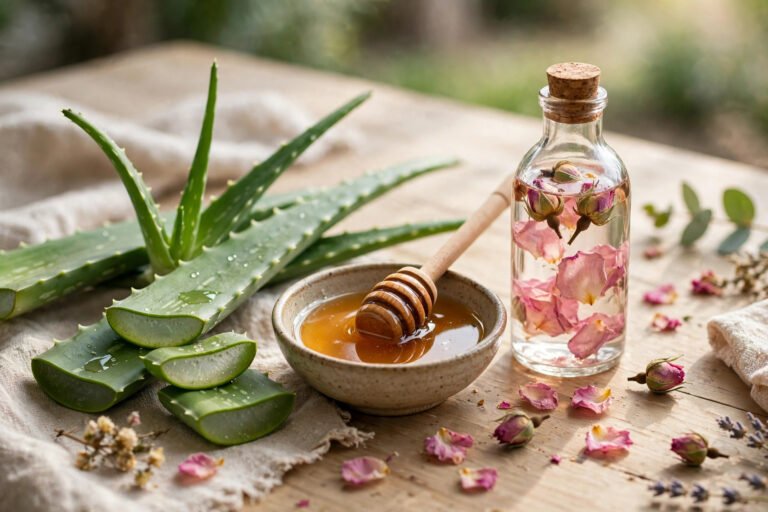
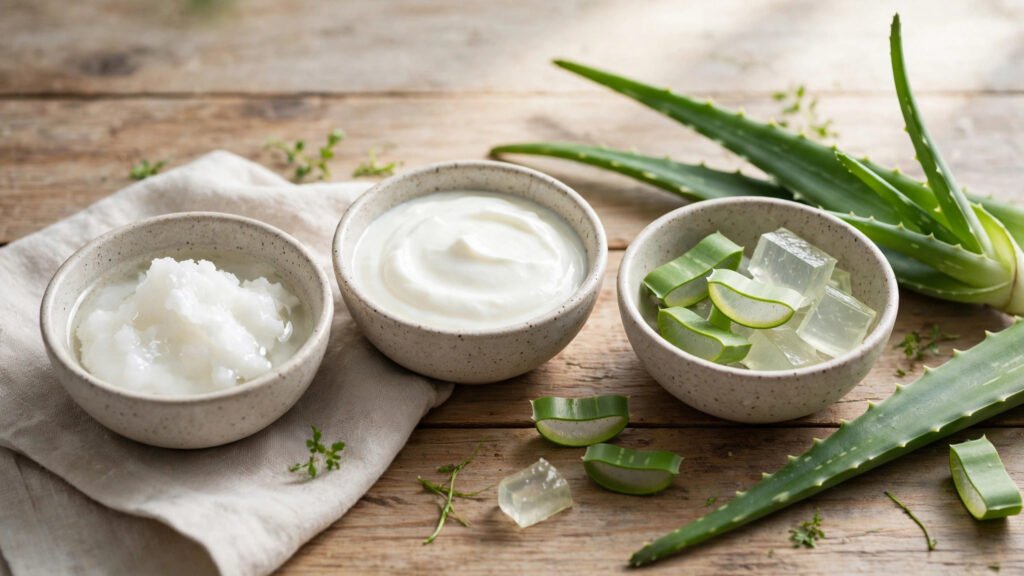
Aloe vera gel, from a fresh leaf or a pure store-bought gel, can soothe an itchy scalp. Apply it, leave it for 20 to 30 minutes, then wash out. Plain, unsweetened yoghurt (dahi) is used by some people as a scalp mask: apply it, leave it for 20 minutes, then rinse and shampoo. Its cooling, moisturising feel suits dry scalps. A diluted apple cider vinegar rinse is another popular option: mix a small amount of vinegar with plenty of water, pour it over the scalp after shampooing, leave it briefly, then rinse well. Vinegar is acidic, so it must be well diluted, never applied undiluted, and avoided on broken or irritated skin. A fenugreek (methi) seed paste — seeds soaked overnight, ground into a paste, applied for 30 minutes and washed out — is a traditional remedy many Pakistani households use. Neem leaves boiled in water, cooled and used as a final rinse are traditionally believed to help scalp irritation. Whatever you try, use it once or twice a week for at least three to four weeks before judging it. Rotating through five remedies in five days tells you nothing about any of them.
What to Avoid and When to Seek Help
Avoid harsh mixtures: strong lemon juice applied directly, undiluted vinegar, hot oil, or vigorous scrubbing with salt or rough pastes can damage the scalp and make dandruff worse. Avoid using someone else’s medicated shampoo without advice, and do not combine multiple strong treatments at once. If you already use a medicated shampoo, ask a pharmacist or dermatologist before adding home remedies. Be sceptical of products promising to “cure dandruff permanently in three days” — dandruff is often recurring and needs ongoing care, not a one-time fix. If gentle, consistent home care shows no improvement after several weeks, or symptoms worsen, see a dermatologist. A doctor can identify whether the problem is simple dandruff or something else, and prescribe a treatment suited to your scalp type. This is not a failure of home remedies; it is the right next step, and it often resolves the problem faster than months of trial and error. Note what you have tried and for how long before your appointment — that history helps the dermatologist choose the right treatment.
Frequently Asked Questions
How long do home remedies take to work for dandruff?
Most gentle remedies need three to four weeks of consistent use, once or twice a week, before you can judge them fairly. If there is no improvement after a month of steady care, consider seeing a dermatologist rather than trying harsher mixtures.
Can dandruff be cured permanently?
Dandruff can often be controlled very well, but for many people it returns if care stops, especially in winter or during stressful periods. Ongoing gentle scalp care is usually more effective than searching for a one-time cure.
Is oiling good or bad for dandruff?
It depends on your scalp. Light, occasional oiling helps dry scalps, but heavy daily oiling can worsen oily scalps. Use a small amount, massage gently, wash it out the same day, and observe how your scalp responds.
Should I use anti-dandruff shampoo every day?
Medicated shampoos are usually meant for limited, regular use as directed on the label or by a pharmacist or doctor, not necessarily every day. Overuse can dry the scalp. If dandruff is severe or persistent, a dermatologist can advise on the right product and frequency.
Conclusion
Mild dandruff in Pakistan usually responds to simple, steady care: gentle oiling for dry scalps, lukewarm washing with thorough rinsing, a traditional remedy like aloe vera, yoghurt or a neem rinse used consistently, and everyday habits like a balanced diet, good sleep and not scratching. Patch-test everything new, avoid harsh mixtures, and give each remedy a few weeks before judging it. And remember: if dandruff is severe, persistent, or accompanied by redness, sores or hair loss, see a dermatologist. Home care is a great first step, but professional advice is the right step when home care is not enough.