Young voices speak up in four districts
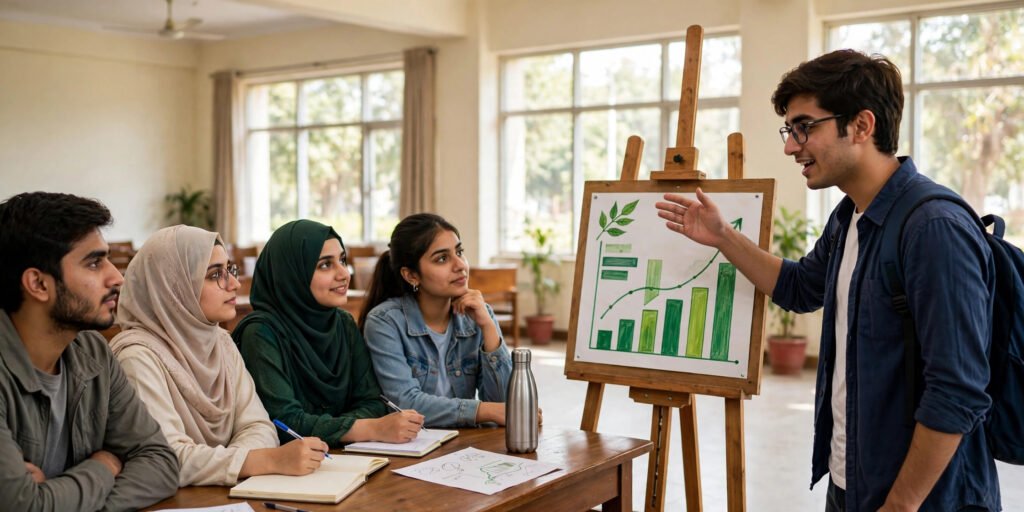
Young people from four districts of southern Punjab — Jhang, Muzaffargarh, Layyah and Kot Addu — came together in youth assemblies to raise their voices on issues that matter to them. The gatherings gave teenagers and young adults a formal platform to discuss problems in their areas and propose solutions.
These youth assemblies work like small parliaments, where participants debate ideas and vote on proposals. For many of the young people involved, it was their first experience of organised civic participation.
Two proposals passed by majority
During the sessions, two major proposals were passed by majority vote. The first called for the creation of a dedicated youth department at the district level — a government office that would focus only on the needs, education and employment of young people.
The second proposal demanded that climate adaptation be made a compulsory part of all local development plans. This means that whenever the government plans new roads, buildings or schemes, it must consider how climate change — floods, heatwaves and water shortages — will affect them.
Focus on local government
A key theme of the assemblies was the role of local government. Participants said that many of their problems — from broken streets to missing facilities in schools — can only be fixed when local bodies are active and funded.
The young delegates argued that youth representatives should have a say in local government decisions, especially on matters like education, sports facilities and the environment that directly affect their daily lives.
Climate risks take centre stage
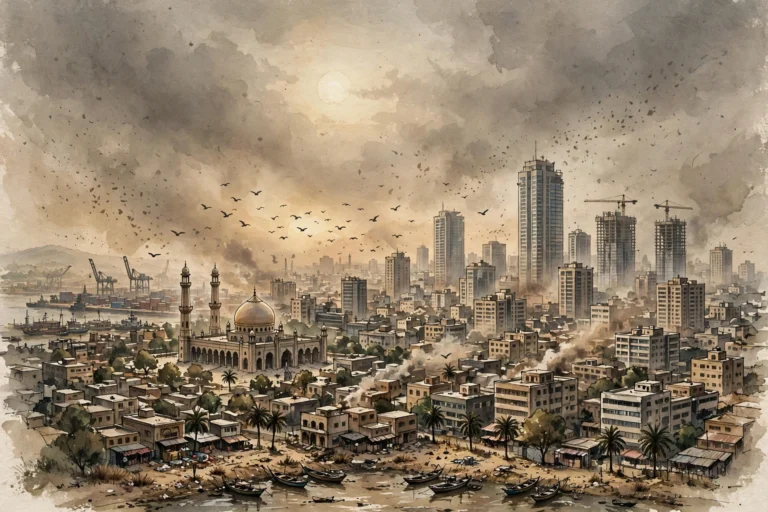
Climate change was one of the most passionately debated topics. Young people from these districts have lived through floods and extreme heat, and they spoke about how these events disrupted their studies, damaged homes and hurt family incomes.
By demanding climate adaptation in local development plans, the assemblies want future projects to be built with these risks in mind — for example, schools that can withstand floods, or water systems designed for long dry spells.
Stories from their own communities
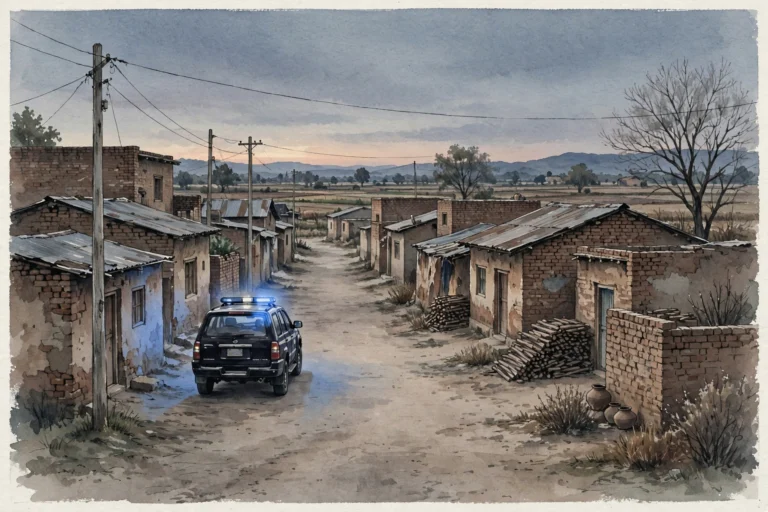
What made the assemblies powerful was that the participants spoke from personal experience. They shared stories of villages cut off by floodwater, of schools damaged in the rains, and of families struggling after crops failed.
These real-life accounts gave weight to their demands. They were not repeating slogans — they were describing what they and their neighbours had actually lived through, and asking the government to plan better for the future.