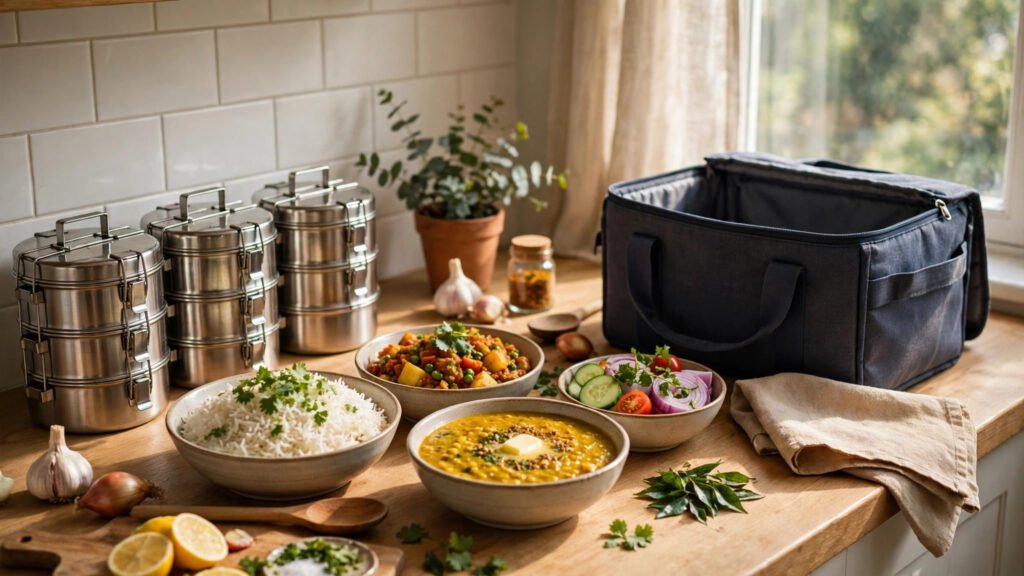
A tiffin service is one of the most practical home businesses in Pakistan. Offices, hostels, universities, and working families all need fresh, home-cooked food every day, and many people prefer a reliable home cook over restaurant meals. This guide explains the real steps of starting a tiffin service in Pakistan — from planning your menu and prices to finding daily customers — without exaggerating the income or hiding the hard work involved.
Who Needs a Tiffin Service?
Before cooking a single meal, understand your customers. Office workers want a filling lunch delivered on time. Hostel students want affordable, tasty food that feels like home. Working couples want dinner ready when they return from work. Single professionals living away from family often become your most loyal customers, ordering five or six days a week. Choose one group to serve first, and design your menu and prices around them. Trying to serve everyone from day one usually means serving no one well.
Plan a Simple, Repeatable Menu
A tiffin service succeeds on consistency, not variety. Plan a weekly menu with one main dish per day — for example, daal chawal on Monday, chicken curry on Tuesday, sabzi and roti on Wednesday — plus a small side such as salad, raita, or a seasonal fruit. Keep the menu small: three to five rotating dishes you can cook well, every single time. Customers trust a cook whose food tastes the same each week. Include one popular dish, such as biryani or chicken karahi, once a week as a special, and charge a little more for it. Avoid complicated dishes that take hours or need rare ingredients, because your profit depends on cooking efficiently.
Work Out Your Prices Honestly
Pricing is where many new tiffin services fail. Add up the cost of ingredients for one tiffin, then add packaging, gas or electricity, and delivery costs. Then add a fair margin for your time and skill. If a meal costs you Rs. 180 to make and deliver, charging Rs. 200 leaves almost nothing for your effort, while charging Rs. 250 to 300 gives you a workable margin — check what other home cooks in your area charge before fixing your price. Offer a monthly package, because regular customers prefer paying once a month, and it gives you predictable income. Always take payment in advance for the week or month, so you are never cooking on credit. Keep a simple record of every rupee spent and earned, so you know whether the business is actually profitable.
Hygiene, Packaging, and Delivery
Food is personal, and customers judge you on cleanliness before taste. Wash your hands before cooking, keep your kitchen clean, tie back your hair, and store ingredients in covered containers. Use fresh ingredients daily and never serve food cooked the previous day. Packaging matters as much as the food: use clean, food-safe containers with tight lids, and pack hot and cold items separately. Simple disposable boxes work well for daily delivery, while reusable steel tiffin carriers suit regular monthly customers and reduce your packaging cost. For delivery, agree on a fixed time window and stick to it — late food is the fastest way to lose customers. Deliver in your own neighbourhood first, on foot or by bike, and expand only when you have help or a reliable rider.
Finding Your First Customers
Your first customers will come from people who already know you. Tell your neighbours, relatives, and friends that you are starting a tiffin service, and offer a free trial meal to a few offices or hostels nearby. A free taste is the best advertisement for a food business, because one good meal convinces people faster than any poster. Create a WhatsApp Business profile with your weekly menu, prices, and food photos, and share the menu in your Status every morning. Ask happy customers to recommend you in their office or hostel groups, and offer a small discount for referrals. Post clear photos of your real food on Facebook and Instagram, with the menu and price in the caption. Word of mouth and WhatsApp will carry you further than printed flyers.
Growing Safely Without Losing Quality
When orders grow beyond what one person can cook, grow carefully. Hiring help for washing, packing, and delivery is usually the first step, while you keep control of the cooking itself. Set a daily limit on orders, and stop taking new customers when you reach it — turning away an order you cannot fulfil well is better than delivering late, poor-quality food that damages your name. As your customer list grows, learn about local food business registration and tax requirements from official sources or a local accountant, because rules and thresholds change and social media rumours are unreliable. Keep proper records from day one: orders, income, ingredient costs, and delivery expenses.
Frequently Asked Questions
How much money do I need to start a tiffin service in Pakistan?
If you already own a kitchen with basic utensils and a stove, you can start with a modest budget for ingredients, packaging, and a few containers. Most beginners start with ten to twenty customers and spend mainly on food and boxes. Avoid buying expensive equipment before you have regular orders.
How do I price a daily tiffin?
Add ingredient costs, packaging, fuel, and delivery, then add a margin for your time. Compare your price with other home cooks in your area, and offer a monthly package for regular customers. Always take payment in advance for the week or month.
How many customers do I need to make a good income?
It depends on your price and costs, but a small service with twenty to thirty daily customers on a monthly package can provide a useful regular income. Focus on keeping customers happy and ordering every month.
Do I need a licence to run a tiffin service from home?
Rules vary by city and scale. For a small home service, the first priority is consistent orders and a good reputation. As orders grow, check local food business registration requirements from official sources or a local accountant, and keep simple records from the start.
Conclusion
A tiffin service in Pakistan succeeds on simple foundations: a small menu cooked well, honest pricing, clean hygiene, reliable delivery, and customers who trust you. Start with one group of customers, cook a menu you can repeat every day, take payment in advance, and grow through WhatsApp and word of mouth. The work is daily and demanding, but it is also steady — people need lunch and dinner every single day. With patience, consistency, and real care for your customers, a home kitchen can grow into a respected small business that fits your life and your ambitions.