Tailoring is one of the most practical home businesses in Pakistan. Every family needs clothes stitched, altered, or repaired, and good tailors are always in demand, especially before Eid and wedding season. Starting from home keeps costs low: no shop rent, flexible hours, and the chance to build slowly from a few customers to a steady income. This guide explains how to start a home-based tailoring business step by step, even if you are starting with one machine and basic skills.
Learn the Skills First, Then Sell Them
Before taking paid orders, make sure your stitching is genuinely good. Customers return to tailors who deliver neat finishing, correct measurements, and on-time delivery. If your skills are basic, practise on family clothes first, watch detailed stitching tutorials, or take a short local tailoring course. Focus on the most demanded items first: simple suits, kurta shalwar, trouser alterations, and children’s clothes. Master these well before offering complex bridal or designer work. Keep samples of your best work, photographed clearly on a plain background. These photos become your portfolio when customers ask, “Can you stitch this style?” A small portfolio of ten excellent pieces is more convincing than claims about experience.
Set Up Your Home Workspace
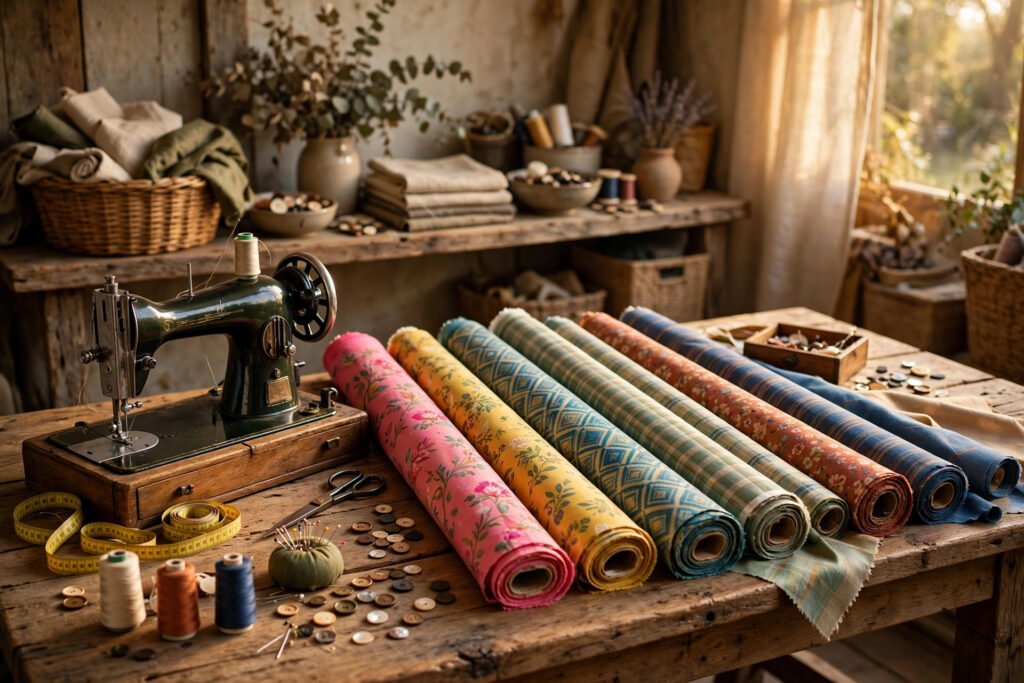
You do not need a separate shop, but you do need a dedicated corner: a sturdy table for your sewing machine, good lighting, a cutting table or large flat surface, an iron and ironing board, and storage for fabrics and customer clothes. Keep customer clothes labelled with name, date, and measurements to avoid mix-ups, which are the most common cause of tailor complaints. Your basic equipment list includes a reliable sewing machine, an overlock machine if your budget allows (it gives professional finishing), scissors, measuring tape, chalk, pins, needles, threads in common colours, and a steam iron. Buy quality basics rather than the cheapest machine, since breakdowns during Eid season cost you customers. Keep a small stock of common threads, buttons, and laces so small jobs are never delayed.
Understand Your Startup Costs Honestly
A home tailoring business can start with modest investment, especially if you already own a machine. Main costs are the machine and its servicing, cutting tools, an iron, initial thread and material stock, and possibly a simple sign or social media page. Avoid borrowing heavily at the start. Begin with what you have, earn from your first customers, and reinvest profits into an overlock machine or better lighting. Track every rupee spent and earned in a notebook or simple spreadsheet from day one. Many home businesses fail not because of low income, but because the owner never knows whether the business is actually profitable after thread, electricity, and time costs.
Pricing: Charge Fairly and Clearly
Beginners often undercharge, hoping for more customers, then burn out doing too much work for too little money. Research what tailors in your area charge for a simple suit, a kurta, alterations, and children’s clothes, then price near that range, slightly lower only while you build a reputation. Always quote the full price before starting, including any extra charges for fancy lace, lining, or urgent delivery. Give a clear delivery date and stick to it. Late delivery is the fastest way to lose a customer in this business. If you are busy before Eid, stop taking orders earlier than feels comfortable, rather than promising dates you cannot meet. One disappointed Eid customer can cost you their whole family as future customers.
Finding Your First Customers
Your first customers usually come from family, neighbours, and friends. Tell everyone you know that you are taking stitching orders, and ask satisfied customers to recommend you. Word of mouth is still the strongest marketing for tailors in Pakistan. A simple WhatsApp Business profile with your services, prices, and sample photos makes it easy for people to contact and share your work. Facebook and Instagram pages for your area can also help, especially with photos of finished suits (with the customer’s permission) and before-and-after alteration work. Post consistently but honestly: show real work, not copied designs. Join local community groups where self-promotion is allowed, and respond politely and quickly to every enquiry.
Growing From One Machine to a Small Setup
Once orders grow beyond what you can handle alone, grow carefully. You might first add an assistant for cutting and finishing, then a second machine, and later consider a small shop if home space becomes a limit. Specialising can also increase income: some tailors focus on ladies’ suits, others on men’s shalwar kameez, children’s clothes, or school uniforms. A speciality lets you charge more and work faster, because you repeat similar patterns. Keep learning new styles each season by studying fashion pages and customer requests. Seasonal demand matters: stock up on supplies and plan your schedule before Eid, wedding season, and winter, when heavier fabrics and more orders arrive together.
Common Mistakes to Avoid
Do not promise what you cannot stitch. If a design is beyond your skill, say so honestly and suggest a simpler version. Do not accept too many orders at once, especially in peak season. Do not cut corners on finishing, since customers inspect seams, buttons, and hems closely. And never mix up customer fabrics: label everything, measure twice, and cut once. A single ruined expensive fabric can wipe out weeks of profit and trust.
FAQ
How much money do I need to start tailoring from home?
If you already own a sewing machine, you can start with a small amount for threads, tools, and an iron. If buying a machine, a reliable basic machine plus tools is the main cost. Start small and reinvest profits.
Do I need a licence to run a home tailoring business in Pakistan?
Small home-based work for local customers usually needs no special licence, but rules can vary by city and housing society. Check local requirements if you later open a shop or hire staff, and keep simple income records from the start.
How do I set prices as a beginner tailor?
Check local tailor rates for each item type, price near that range, and quote the full price upfront. Avoid undercharging for long, since it leads to burnout and makes raising prices later much harder.
How can I get customers without a shop?
Word of mouth, WhatsApp Business, and local social media pages work best. Show real samples, deliver on time, and ask happy customers to recommend you to family and neighbours.
Conclusion
A home-based tailoring business in Pakistan succeeds on three things: neat stitching, honest pricing, and on-time delivery. Start with the skills and machine you have, build a small portfolio, price fairly, and let satisfied customers bring you more work. Grow slowly, reinvest profits, and specialise as demand grows. With patience and consistent quality, one machine at home can become a steady and respected source of income.